


trying a new format~ i had this essay in word and conveniently someone asked to have an essay about goths! enjoy reading about 'em!
The Goth Subculture: History, Dress, Music, and Meaning
The goth subculture is one of the most enduring and misunderstood youth movements of the modern era. Often recognized by dark clothing, dramatic makeup, and fascination with melancholy themes, goth culture has evolved far beyond superficial stereotypes. It is not merely a fashion style or obsession with darkness; rather, it is an artistic and musical subculture rooted in creativity, emotional expression, intellectual curiosity, and individuality. Since emerging from the post-punk music scene of the late 1970s, goth culture has spread globally and developed into a diverse community encompassing music, literature, visual art, philosophy, and alternative lifestyles.
Origins of the Goth Subculture
The goth subculture originated primarily in the United Kingdom during the late 1970s and early 1980s. It evolved from the darker and more introspective side of post-punk music. Bands such as Bauhaus, Siouxsie and the Banshees, The Cure, and Joy Division helped shape the sonic and aesthetic foundations of goth culture. Their music emphasized haunting melodies, atmospheric instrumentation, emotional depth, and themes involving alienation, romance, mortality, and existential reflection.
One song frequently associated with the birth of goth rock is Bela Lugosi's Dead by Bauhaus. Released in 1979, the song combined eerie soundscapes with references to horror cinema and gothic imagery. Although the members of Bauhaus themselves did not initially identify as “goth,” the song became a defining influence for the emerging scene.
The term “goth” itself originally referred to the Germanic Goth tribes of late antiquity and later became associated with Gothic architecture and Gothic literature. In literature, Gothic fiction emerged during the eighteenth century with works such as Frankenstein by Mary Shelley and Dracula by Bram Stoker. These stories emphasized mystery, horror, emotion, decay, and the supernatural. The goth subculture inherited much of this atmosphere and symbolism, blending it with modern music and fashion.
Music, the Core of Goth
Music remains the central element of goth culture. While outsiders often define goth solely through appearance, many within the subculture emphasize that goth is fundamentally a music-based community. Goth music itself encompasses several genres and subgenres, including gothic rock, darkwave, ethereal wave, deathrock, and industrial music.
Gothic rock typically features deep vocals, atmospheric guitars, prominent bass lines, and introspective lyrics. Bands like Sisters of Mercy and Fields of the Nephilim expanded the genre during the 1980s with darker and more dramatic sounds.
Darkwave incorporated electronic influences and emotional intensity, while ethereal wave emphasized dreamlike textures and haunting female vocals. Meanwhile, industrial and electronic acts became connected to goth club culture, contributing harsher mechanical sounds and futuristic aesthetics.
The goth music scene fostered strong communal bonds. Clubs, concerts, and festivals became gathering places where individuals who felt alienated from mainstream culture could find belonging and creative freedom. Events such as Wave-Gotik-Treffen in Germany grew into massive international gatherings celebrating gothic music, fashion, and art.
Fashion
One of the most visible aspects of goth culture is fashion. Goth style is highly theatrical and draws inspiration from numerous historical and artistic sources. Victorian mourning attire, punk fashion, glam rock, horror films, romantic poetry, medieval imagery, and fetish aesthetics have all influenced goth clothing.
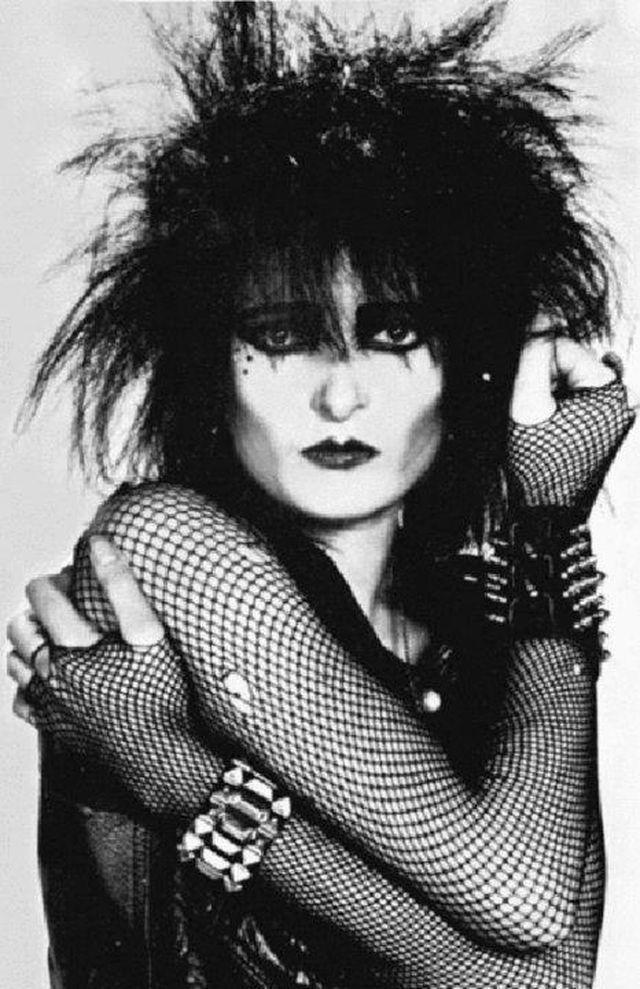
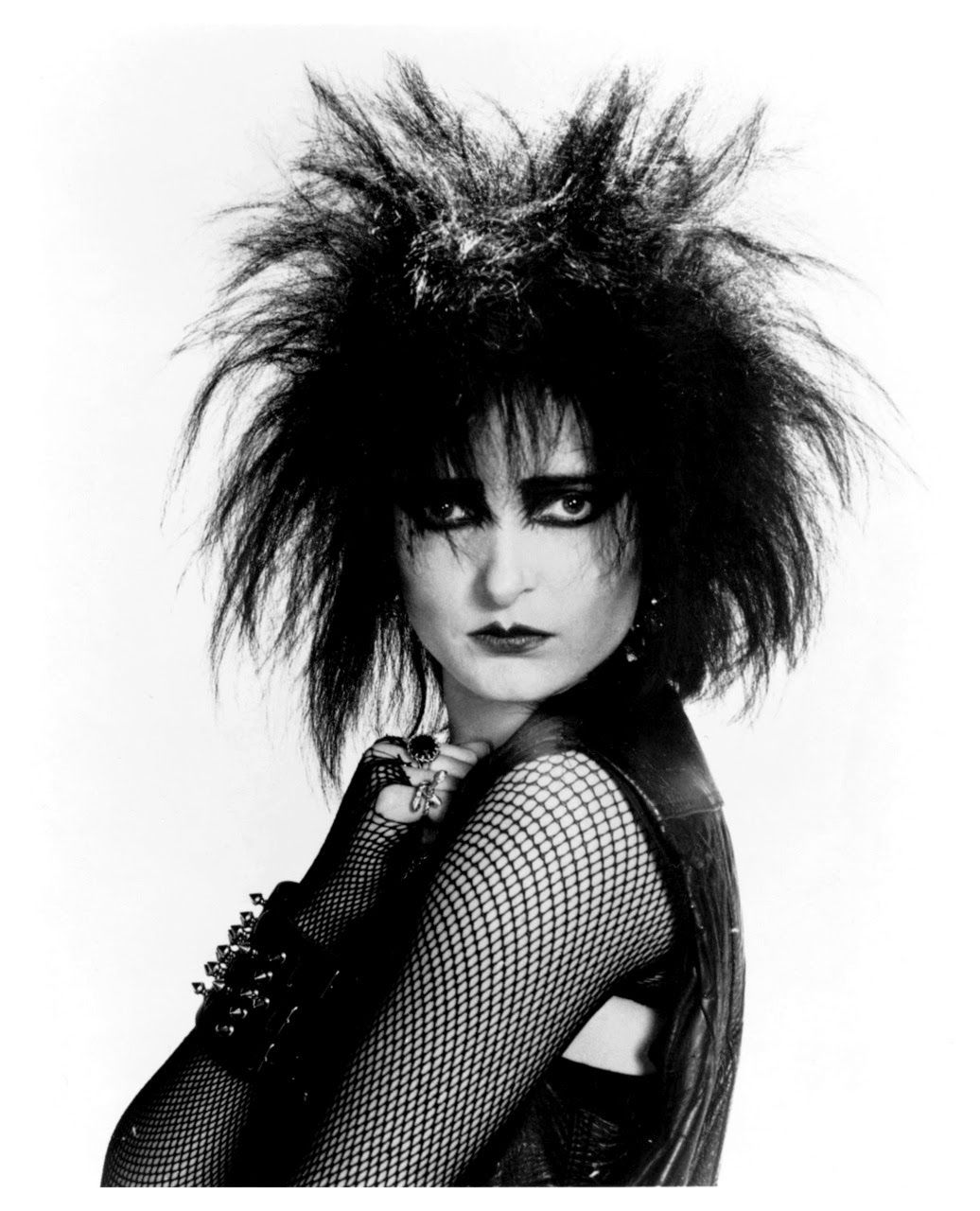
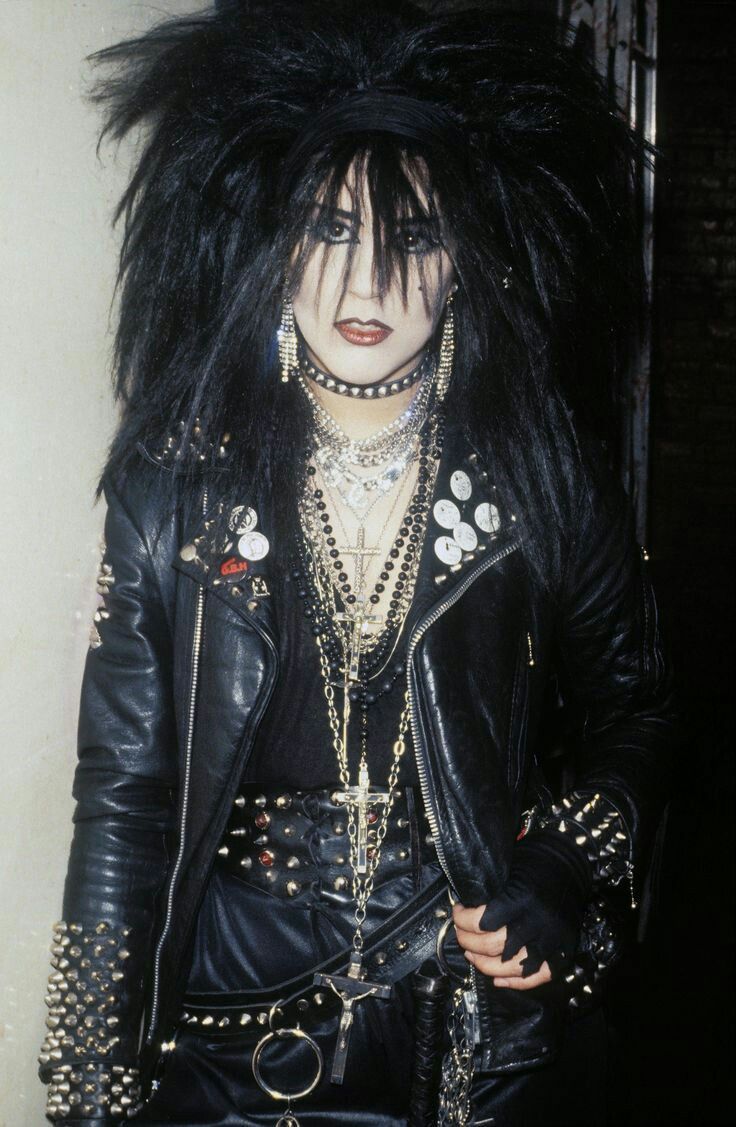
Common elements include black garments, lace, velvet, leather, fishnet fabrics, silver jewelry, platform boots, dramatic hairstyles, and pale makeup. However, goth fashion is far from uniform. Over time, many substyles emerged, including romantic goth, cyber goth, Victorian goth, trad goth, pastel goth, and industrial goth.
The color black holds symbolic importance within the subculture. Rather than representing evil or negativity, black often symbolizes elegance, mystery, introspection, sophistication, and emotional depth. Many goths see beauty in darkness not as something destructive, but as something poetic and honest.
Visual art also plays an important role in goth culture. Gothic imagery frequently incorporates ruins, cemeteries, moonlight, ravens, religious symbolism, and themes of mortality. These aesthetics connect the subculture to broader traditions in Gothic art and Romanticism, a nineteenth-century artistic movement that valued emotion, imagination, and sublime experiences.
Literature, Philosophy, and Intellectual Influences
The goth subculture has always maintained close ties to literature and intellectual exploration. Gothic novels, horror fiction, romantic poetry, existential philosophy, and psychological themes deeply influence goth identity.
Writers such as Edgar Allan Poe, H. P. Lovecraft, and Anne Rice became especially popular within goth circles due to their focus on atmosphere, tragedy, death, beauty, and the supernatural.
The subculture often embraces themes that mainstream society avoids discussing openly, including grief, loneliness, mortality, and emotional suffering. This openness does not necessarily reflect pessimism; instead, many goths argue that acknowledging darker aspects of human existence can lead to greater self-awareness and empathy.
Philosophically, goth culture often values individuality, introspection, nonconformity, and artistic authenticity. Many participants reject rigid social expectations and embrace alternative ways of thinking and living. Because of this, goth spaces have historically attracted people who feel marginalized or misunderstood.
Misconceptions
Throughout its history, the goth subculture has faced numerous misconceptions. Outsiders have sometimes portrayed goths as dangerous, depressed, antisocial, or obsessed with death. Media sensationalism during the 1990s and early 2000s intensified these stereotypes, especially after incidents of youth violence that were incorrectly linked to alternative subcultures.
One of the most significant examples occurred after the Columbine High School massacre in 1999. Early media reports falsely associated the perpetrators with goth culture, despite little evidence supporting such claims. This led to increased suspicion and discrimination against goth teenagers in schools and communities.
In reality, studies generally show that goth communities are centered around art, music, creativity, and emotional expression rather than violence. While the subculture may attract individuals dealing with alienation or emotional struggles, this does not mean goth culture causes harmful behavior. Many participants describe goth spaces as supportive environments where people can express themselves without judgment.
Global Expansion and Evolution
Although goth culture began in Britain, it quickly spread internationally. By the 1980s and 1990s, goth scenes existed throughout Europe, North America, Latin America, Japan, and elsewhere. Each region adapted the subculture according to local artistic traditions and musical influences.
The internet dramatically transformed goth culture during the late 1990s and 2000s. Online forums, music-sharing platforms, and social media enabled goths from around the world to connect and share ideas. This helped preserve the subculture even as many physical clubs and venues declined.
At the same time, commercialization and changing fashion trends altered public perceptions of goth identity. Elements of goth aesthetics became incorporated into mainstream fashion, film, and entertainment. Movies such as The Crow and characters like Wednesday Addams contributed to popular fascination with dark aesthetics.
Today, goth culture remains highly diverse. Some participants focus primarily on music, while others are drawn to fashion, literature, art, or philosophy. Younger generations continue reinventing goth identity through digital platforms while maintaining connections to its historical roots.
Emotional and Artistic Expression
At its core, the goth subculture represents a search for beauty in places many people overlook. It embraces emotional honesty, artistic imagination, and fascination with mystery and impermanence. Rather than glorifying suffering, goth culture often transforms sadness, fear, and mortality into creative expression.
For many individuals, becoming goth is not simply adopting a fashion style; it is discovering a community where emotional sensitivity and individuality are accepted. Goth spaces frequently encourage creativity through music, poetry, photography, fashion design, and visual art. This emphasis on self-expression allows participants to construct identities outside conventional norms.
The subculture also challenges simplistic ideas about happiness and positivity. Goth culture suggests that darkness and beauty can coexist, and that confronting difficult emotions can produce meaningful art and human connection.
The Politics
While the goth subculture is rooted in music, fashion, and art, it has also carried strong political undercurrents, particularly through its rejection of mainstream social systems and rigid cultural expectations. Since its emergence from the post-punk movement, goth has often aligned itself with anti-authoritarian stances and ideologies, skepticism toward consumerism, and solidarity with marginalized communities. Many goth spaces openly support causes such as racial justice, LGBTQ+ rights, feminism, viewing them as part of a broader resistance against oppression and conformity.
The subculture’s embrace of outsiders and its critique of societal norms make political engagement a natural extension of its identity. Through dark aesthetics, provocative art, and emotionally charged music, goth culture frequently challenges traditional ideas about gender, morality, beauty, and power, turning personal expression into a form of cultural and political rebellion.
Conclusion
The goth subculture is far more complex than common stereotypes suggest. Emerging from the post-punk music scene of the late twentieth century, it developed into a global artistic movement centered around music, aesthetics, literature, and emotional authenticity. Through its fascination with darkness, romance, mystery, and introspection, goth culture has created a unique space for people seeking individuality and creative freedom.
Despite decades of misunderstanding, the goth subculture has endured because it fulfills deep emotional and artistic needs. It offers an alternative perspective on beauty and human experience, encouraging people to embrace complexity rather than hide from it. Whether expressed through music, fashion, literature, or philosophy, goth culture continues to inspire generations.
The Gallery
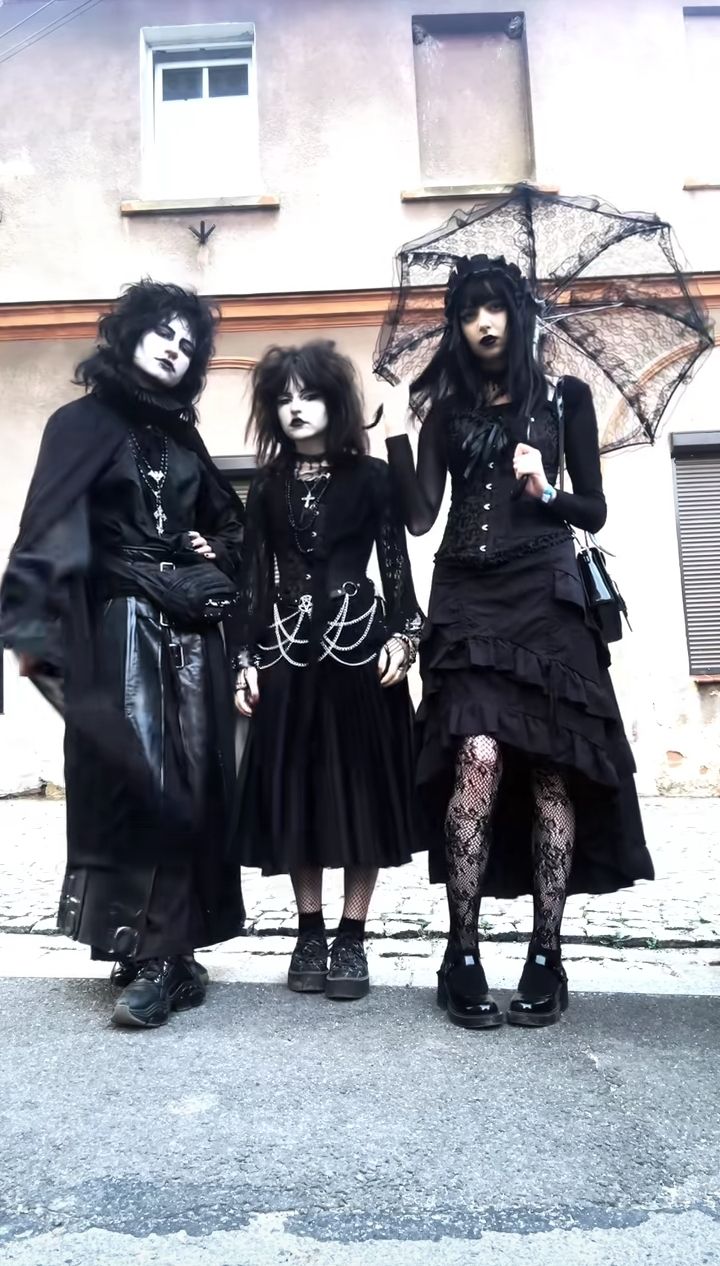
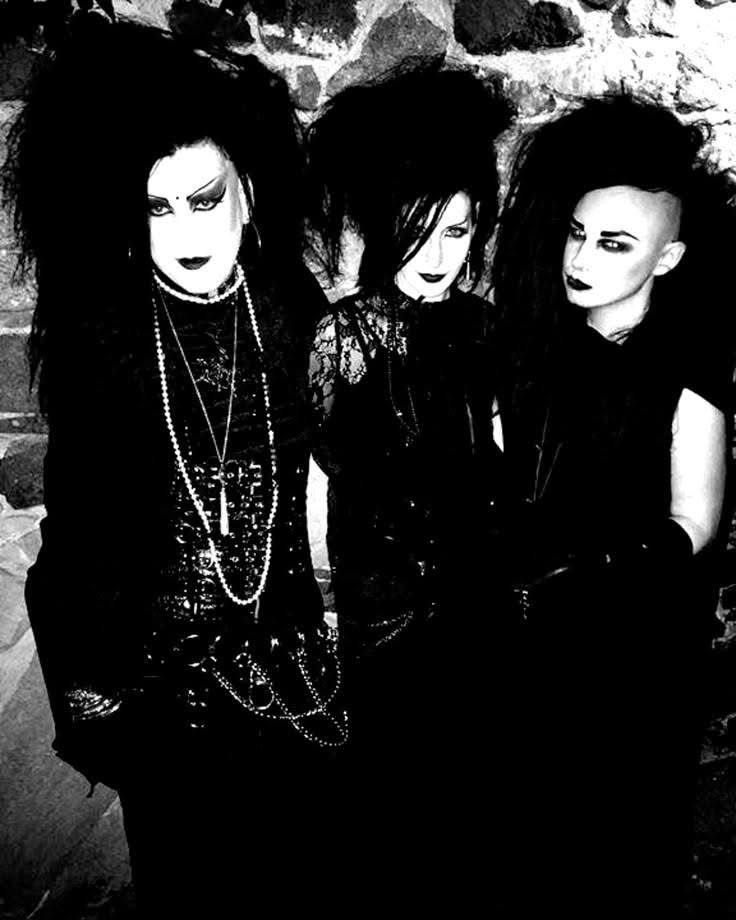
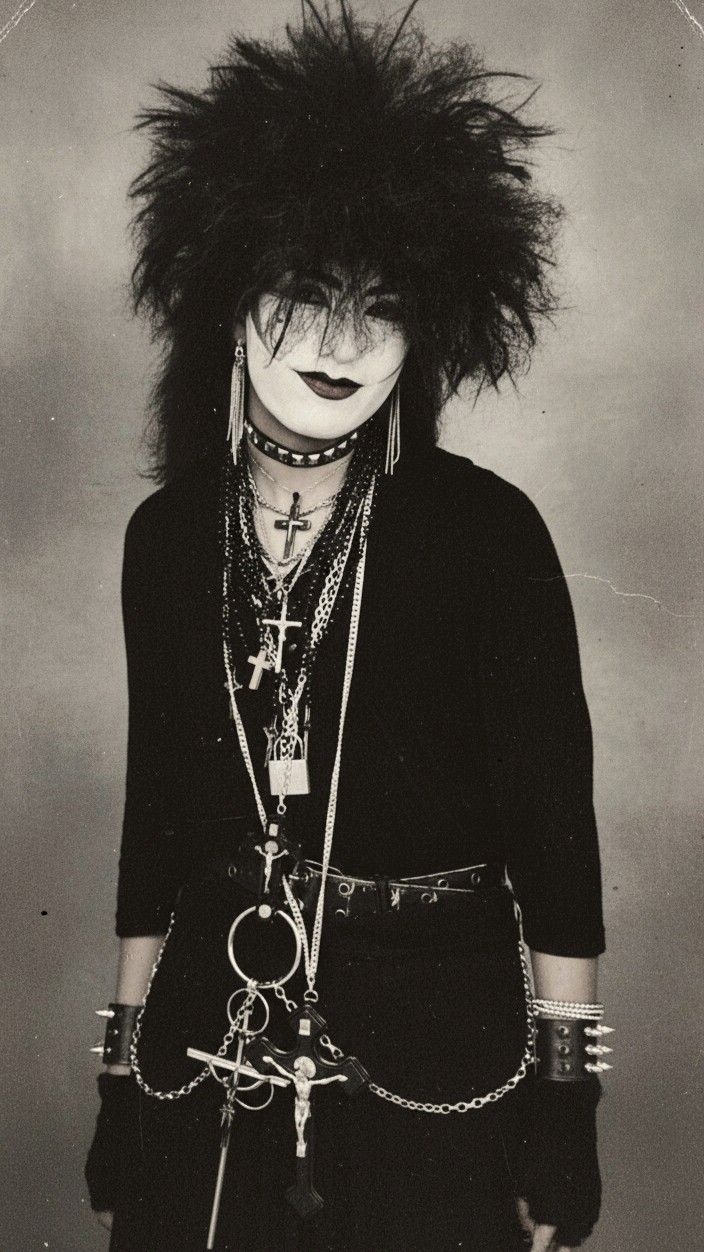
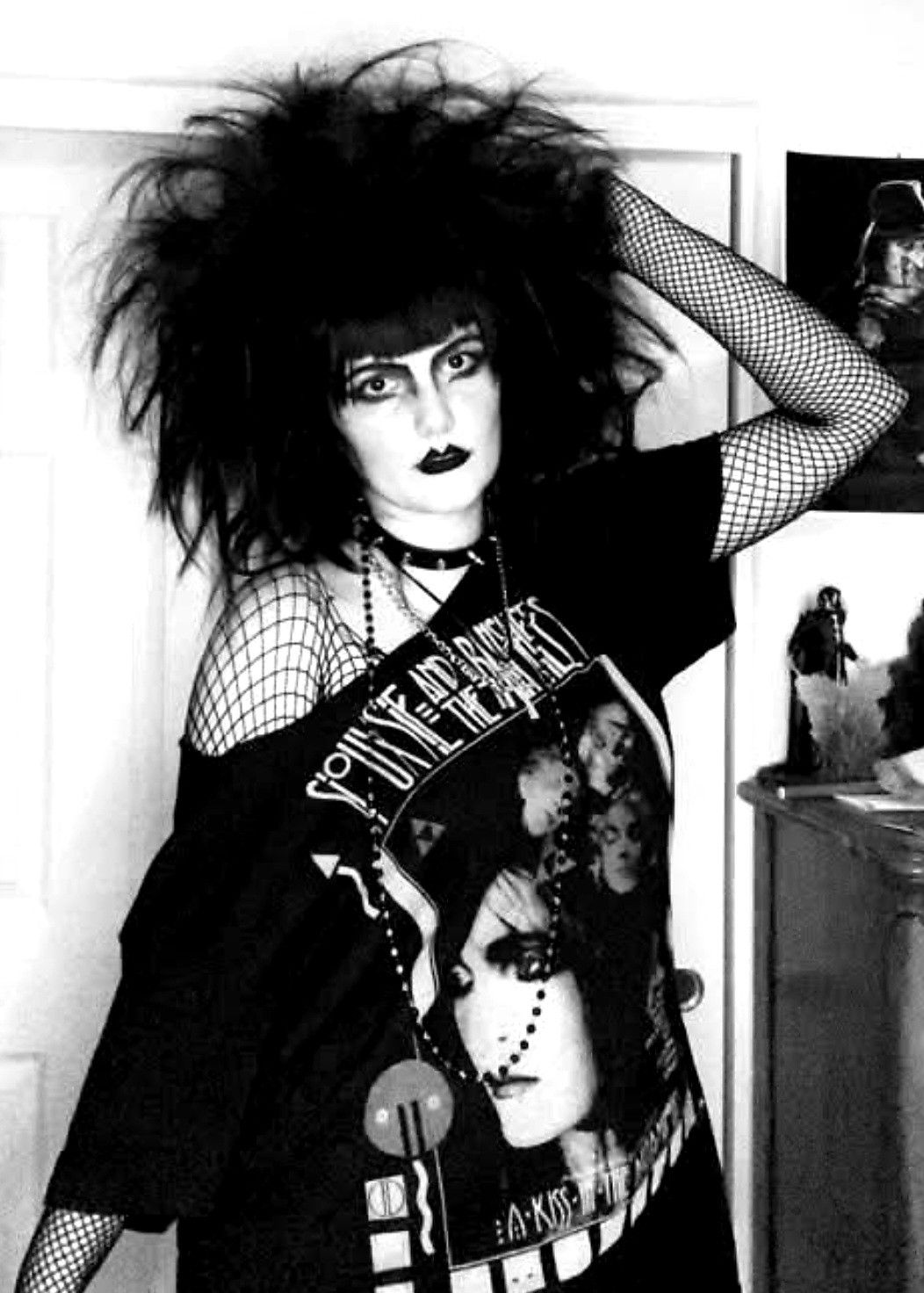
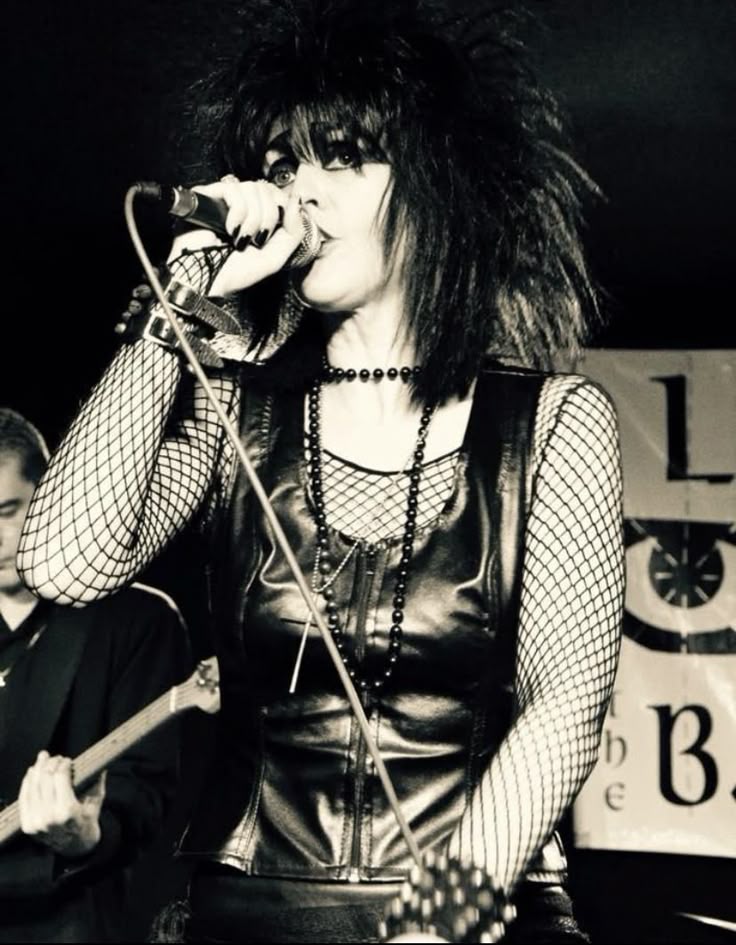
loved this one... i used to be goth so im def biased!!
Comments
Displaying 0 of 0 comments ( View all | Add Comment )