



so recently i was doomscrolling tiktok(yeah i know, yikes) and stumbled across a video of a dude hooking up his small crt-tv to his pc and using it to watch old tv shows
in the comments section, there was a dude saying that apparently, since crt's don't have native resolution, you can upscale up to 4k using interlacing with zero motion blur
and the worst part is that that comment has 30k+ likes
while you can argue that making a long-ahh post on a very niche mydih-larp website will result in nothing since 0% of those who liked that comment will see it but who needs a proper reason to yap about bullshit they like? (i also plan to make a tiktok out of this)
so, what is crt? it's a tube which size varies from long-ahh to tolerable, has electron guns on the thin end that shoot precise electron beams to the big end right into the phosphor that makes the image, they also apparently give off some radiation that gives you eye cancer that can be avoided by putting a cactus in front of it or some other snake oil...
they make high-pitched noise when they work which is noticeable but tolerable
the infamous crt flicker depends on type of signal it's displaying, specifically the refresh rate at which it shows it
usually it's 50 or 60hz
at first it is that bad, but your eyes will get used to it sooner or later to the point where it's almost not noticeable at all
they (usually) tend to show pretty soft image, some games actually use that to their advantage
they do tend to consume a lot of energy, but so does your 4k oled tv in your living room
because of the nature of the technology, making the screen larger will make it easier to make the image sharper, from which stems the myth about "the bigger = the better" because, in the case of crt's, that would literally allow for sharper image(but more on that later since it's way more nuanced than that)
now, now that everyone understands the crt more deeply, we can continue and bust all of the myths about them
starting with...
Colors
crt-tv's and monitors were created way before any sort of hdr was a thing, so there is no crt screen on the planet that can display anything more than the ntsc standard allows
it doesn't mean that the sdr is bad and doesn't look nice, but of course new oled screen will out perform any crt...
tho since it's phosphors that make the colors, they may appear a bit more natural, since well... they ARE more natural compared to led's
but remember, natural =/= accurate
Sharpness, Resolution and Interlacing
oh boi this one is probably going to be the biggest one here...
the sharpness depends on:
1. how the signal is delivered (composite vs rgb)
2. how long the tube is
3. how curved the screen is (if at all) (sometimes if the screen is too flat the corners will be blurrier than the center of the image)
4. how good is the crt itself (e.g. good manufacturer)
it is true that crt's don't have native resolution, they will display whatever you give them
you don't even have to keep the aspect ratio, you can output sum 263 by 736 on 67hz
however, there is a catch
firstly, the bandwidth.
there are not so many crt's that have any inputs that allow an image with resolution higher than 480p(and even if they have, there's still a chance that the tv or monitor just doesn't accept signal higher than 480p), and there are no crt's that accept inputs higher than 1080p(there goes 4k), and even if you (somehow) bypass that, the tube itself has physical limitations, at some point the guns just won't be able to shoot fast enough
secondly, the shadow mask. even if you SOMEHOW manage to make the electron guns output resolution higher than that, you'll be hit with shadow mask limitation. it's true that crt's don't have native resolution, but every single one of them has maximum resolution which is directly defined by dot pitch - the distance between the pixels of the same color
so even if the electron guns do try to display image with resolutions higher than what the shadow mask allows then some pixels will either:
A: miss the phosphor entirely
B: hit the wrong phosphor
(there goes infinite resolution)
so no, you can't make 4k on crt monitor or tv even in theory, you'll just over-inflate the resolution and waste your computer's resources
(this is also the reason why you should choose the resolution that matches the phosphor dots on your shadow mask)
interlacing was invented when the television became a thing to save on bandwidth
the idea is to display only the half of the image on each frame, displaying one half in the first frame, and then the other half of the second frame

as mentioned before, due to the nature of the technology, the image on crt's tends to be softer, blurrier, and on top of that they smear frames into each other resulting in a bit of ghosting, the phosphor can't just instantaneously turn itself off
because of that the difference between interlaced and non-interlaced(progressive) output is not noticeable aside from probably a bit different high-pitched noise, flicker and a bit of smeared movement
since you literally display only half of the image, you now have double of free bandwidth that you can use to either double your image resolution or increase your refresh rate to reduce flicker (if the screen is capable of that)
many old compression algorithms were designed for such smear and sacrifice the image quality for artifacts that will look okay on crt since it'll (usually) blend in together
it's a big debate whenever you should pursue the sharpest image possible or just enjoy the fuzziness of composite output
some games look better when they are blurry
some are complete opposite
it's more of a preference rather than right/wrong, some people prefer razor-sharp pixels while others would much prefer smooth image, pick whatever you like, it's, in the end of the day, you who will use that
Monitor > TV
another misunderstood topic
the reason why sony pvm is objectively looks better than your consumer-grade samsung crt-tv is not because pvm is a monitor, but because pvm is for professional use
it's LITERALLY in the name: sony professional video monitor
it's not like you could buy a pvm for the price of a regular consumer-grade tv back in a day either
there are great tv's and terrible monitors, and vice versa
the real difference between monitor and a tv is usually the inputs they accept and the shadow mask
while the first one is self-explanatory, there are different types of shadow masks but most crt's use these two:
 (if it's a tv then it's almost guaranteed to be one on the left, and if it's a computer monitor then it's likely to be one on the right(tho the left one also can be on a monitor))
as you can see, the right one fits more pixels therefore you can get more resolution in less space
those 2 are usually the go-to's but some manufacturers made their own type of shadow mask, for example sony made so-called "aperture grille" for their "trinitron" series back in the day:
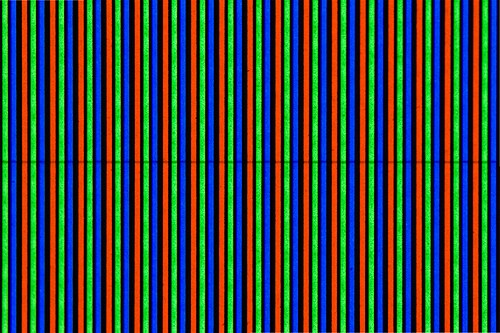
(basically infinite vertical resolution)
there are other shadow mask types, like hitachi's edp, but it's nothing too crazy and the blog's getting a little lengthy(+you can google it yourself if you want to)
there are a lot of things i could talk about but allat is usually just nerd-talk over some bullshit that doesn't matter that much
your main concerns are:
1. getting a one with a tube that still has resource left
actually, those electron guns can get worn out...
2. getting a one with tolerable image
image distortion(primarily the proportions) are a very common problem among crt's, it's usually due to worn out components and in some cases, the tube itself
you won't be able to find a perfect crt, but at least find a tolerable image and safe yourself from hassle of poking around a circuit that has enough voltage to kill you...
3. inputs
the best you'll get on a crt monitor is vga and bnc(bet you never heard of that one) and on tv's you get primarily composite(one yellow, white and red), rgb scart(in europe) or more rarely component (red, blue and green)
each has it's own limitations and downsides but what will the best for you is entirely dependent on your situation
if i am gonna go quickly then it's something like this:
composite is the worst from the rest(there is rf but genuinely who tf uses that?), image gets blurry because all of the encoded information about the signal gets through one cable and results in gigantic amounts of noise and cross-talk that take away the initial sharpness
s-video is a step forward from composite by separating the signals between different wires inside the cable, still has a bit of cross-talk hence is defeated by the next two...
rgb scart, do not confuse with a/v scart which has the same quality as composite. mostly used in europe and is one of the best analog types of connection, unlike previous ones, this one is considered component connection, here everything about the image gets it's own channel instead being mixed into one which significantly reduces cross-talk, the only downside is that the maximum resolution is 480p
Y Pb Pr is objectively the best analog type of connection, there are several ways the data gets outputted thru, either using Y Pb Pr method which can go up to 1080i, or making it digital by using Y Cb Cr which can go up to 1080p, consumer-grade electronics use rca cables (red for red difference, blue for blue difference, and green for sync, green difference gets calculated from the first two) or if it's professional equipment, BNC cables where the sync is usually has it's own cable. the main downside is the cable quality affects the image A LOT, there are genuinely no benefits in getting a cheap component cable...
Conclusion
this blog is oversimplifying many things, something probably lacks fact-checking, in some places i even can be completely wrong... for example, most newer crt's don't use shadow mask but slot masks
but the idea wasn't in being perfect, the idea was to give people a better idea of what a crt is actually like, so there wouldn't be people buying crt's thinking they will get 4k gaming in 100hz on them...
if the person reading is interested, the person in question has access to the biggest encyclopedia in the world at their fingertips that has articles from people that know way better than me
and so i think my job here is done
bye-bye~
Comments
Displaying 2 of 2 comments ( View all | Add Comment )
abstract
Interesting, really interesting!!!!! :3
I am also an electronics enthusiast and I hadn't seen a detailed explanation about crts like this before :0
Btw I have a mini crt on my desk but I dont have photos of it in my computer :(
well you could've at least said the model
this was probably too much in detail for someone to just read and understand...
i need to work on my public low-attention-span lingo
by ,.•°‰M€B♪GB@££$‰°•.,; ; Report