
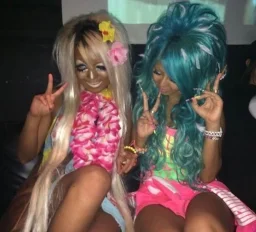


Dance is one of humanity's oldest and most universal forms of expression. Long before written language, people used movement to celebrate victories, mourn losses, tell stories, practice religious rituals, and connect with one another. Today, dance continues to play an important role in cultures around the world, evolving into countless styles that reflect different communities, identities, and artistic visions. Whether performed professionally on a stage or casually in a bedroom, dance allows individuals to express emotions, develop confidence, improve physical health, and participate in communities that share common interests.
Dance as a Form of Expression
Unlike spoken language, dance communicates through movement. A dancer can express happiness, grief, excitement, anger, love, or determination without saying a single word. Every gesture, posture, and rhythm contributes to a visual language that audiences can understand on an emotional level.
Many people find dancing therapeutic because it offers an outlet for emotions that may be difficult to describe with words. Someone experiencing stress may find comfort in energetic movement, while another person may enjoy slow, graceful dances that encourage mindfulness and relaxation. Dance also allows people to develop their own unique style, making it an incredibly personal art form.
Physical and Mental Benefits
Dance is often considered one of the most enjoyable forms of exercise because it combines physical activity with creativity. Regular dancing improves cardiovascular health, strengthens muscles, increases flexibility, enhances coordination, and builds endurance. Since dancers constantly memorize routines and adapt to changing rhythms, dancing also exercises the brain by improving memory and concentration.
Beyond physical fitness, dancing contributes positively to mental health. It can reduce stress, increase self-confidence, and provide a sense of accomplishment. Participating in dance groups or communities also helps combat loneliness by creating opportunities for friendships and collaboration.
Dance as a Cultural Tradition
Nearly every civilization has developed unique dance traditions. Folk dances preserve history and customs, while ceremonial dances communicate religious beliefs and social values. Modern dance styles often emerge from youth cultures, musical movements, and technological changes.
As music evolves, so does dance. Some styles become internationally popular through television, the internet, or video games, while others remain closely associated with specific underground communities.
Parapara
Parapara is a highly synchronized Japanese dance style that became especially popular during the 1990s and early 2000s alongside Eurobeat music. Unlike many freestyle dances, Parapara emphasizes carefully choreographed arm movements while the feet perform relatively simple steps. This combination creates routines that are visually striking and easy for groups to perform together.
Parapara gained popularity through dance clubs, instructional videos, and arcade games, allowing enthusiasts to learn routines and participate in community events. Because dancers often perform identical choreography simultaneously, Parapara demonstrates teamwork and coordination while maintaining the energetic spirit of Eurobeat music.
One of Parapara's greatest strengths is its accessibility. Beginners can learn basic routines relatively quickly, while experienced dancers master increasingly complex arm patterns and timing. The style has remained influential within anime, Japanese pop culture, and rhythm game communities.
Jumpstyle
Jumpstyle originated in Belgium during the late 1990s before spreading throughout Europe, particularly in the Netherlands, Germany, and Poland. It is danced primarily to hardstyle and jumpstyle electronic music characterized by fast tempos and powerful bass.
Unlike Parapara, Jumpstyle focuses heavily on the feet and legs. Dancers perform repeated hopping motions, kicks, heel taps, and intricate footwork while maintaining a steady rhythm. The dance demands endurance, balance, and coordination, making it physically demanding but exciting to watch.
Many Jumpstyle dancers create original choreographies or improvise combinations, leading to an active online community where performers share videos and challenge one another to develop increasingly creative routines. The energetic nature of Jumpstyle reflects the intensity of the electronic music scene from which it emerged.
Goth Dancing
Goth dancing is closely connected to the gothic subculture, which developed from post-punk music during the late 1970s and early 1980s. Unlike dance styles with strict techniques or formal instruction, goth dancing emphasizes personal interpretation and emotional expression.
At gothic clubs, dancers often move slowly or dramatically, allowing the atmosphere of darkwave, gothic rock, post-punk, and ethereal music to guide their movements. Flowing arm gestures, graceful spins, expressive poses, and hypnotic swaying are common features, though every dancer develops a unique style.
The absence of rigid choreography reflects one of the core values of gothic culture: individuality. Rather than trying to imitate others perfectly, participants are encouraged to interpret music in ways that feel authentic to them. As a result, no two goth dancers move exactly alike.
Industrial Dancing
Industrial dancing developed alongside industrial music and Electronic Body Music (EBM) scenes. It became especially popular in underground clubs throughout Europe and North America during the late twentieth century.
Industrial dancing often features robotic, mechanical, repetitive movements inspired by machinery and electronic rhythms. Sharp arm motions, controlled body isolations, stomping footwork, and sudden changes in direction are characteristic elements. The dance mirrors the harsh, mechanical sounds commonly found in industrial music.
Unlike traditional partner dances, industrial dancing is usually performed individually, allowing dancers to immerse themselves fully in the music. Although many people associate the style with dark clothing and alternative fashion, the dance itself welcomes a wide range of interpretations.
Industrial dancing values freedom and experimentation. Dancers frequently combine influences from rave culture, martial arts, popping, freestyle movement, and personal creativity to develop distinctive performances.
Community and Identity Through Dance
Many dance styles represent more than movement alone—they foster communities. Fans gather at conventions, clubs, competitions, festivals, and online platforms to share routines, teach newcomers, and celebrate their favorite music.
For many people, becoming involved in a dance community provides a sense of belonging. Individuals who may struggle to express themselves verbally often discover confidence through movement. Dance communities also encourage cultural exchange, introducing participants to music, fashion, and traditions from around the world.
The internet has greatly expanded these communities by allowing dancers from different countries to learn from one another. Tutorials, livestreams, and social media platforms have made it easier than ever for beginners to start dancing regardless of where they live.
Creativity and Self-Development
Learning dance requires discipline, patience, and perseverance. Beginners often spend hours practicing basic movements before mastering complex routines. This process teaches resilience and demonstrates that improvement comes through consistent effort.
Dance also encourages creativity. Even within highly structured styles like Parapara, dancers eventually develop their own interpretations and performance styles. Freestyle forms such as goth and industrial dancing provide even greater opportunities for personal artistic expression.
As dancers improve, they often gain confidence not only in performance but also in everyday life. Standing before an audience, collaborating with others, and expressing emotions openly can strengthen communication skills and self-esteem.
Conclusion
Dance remains one of the most meaningful forms of human expression because it combines physical movement, artistic creativity, emotional communication, and social connection. Every dance style reflects the history and values of the community from which it emerged.
Parapara showcases precision and synchronized choreography, Jumpstyle celebrates athleticism and energetic footwork, goth dancing emphasizes emotional individuality, and industrial dancing transforms mechanical rhythms into expressive movement. Although these styles differ greatly in appearance and technique, they all demonstrate dance's remarkable ability to unite people through music and movement.
As cultures continue to evolve, new dance styles will undoubtedly emerge, but the fundamental purpose of dance will remain unchanged: to express ourselves, connect with others, and celebrate the endless possibilities of human creativity.
Comments
Displaying 0 of 0 comments ( View all | Add Comment )