


Music isn't just something we listen to. It becomes a place. A memory. A language we slowly build around ourselves. Certain albums stop belonging to the artists who made them and start belonging to us, to our teenage bedrooms, to late-night walks, to friendships that disappeared, to versions of ourselves we'll never meet again.
And perhaps that's why we ask so much from the musicians we love.
We don't just want new songs. We want to feel twenty again. We want another first listen. We want another Is This It.
But maybe that's asking for the impossible.
The Band That Accidentally Changed Everything
When people talk about The Strokes, they usually begin with the same sentence: they saved rock. Whether that's true or not almost doesn't matter anymore. The myth has become inseparable from the band itself.
In 2001, rock music had become enormous. Bigger productions. Bigger choruses. Bigger egos. Then five young musicians from New York appeared with wrinkled leather jackets, guitars that sounded like they had been recorded inside a garage, and songs that barely crossed the three-minute mark. Nothing about them seemed revolutionary. And yet everything was.
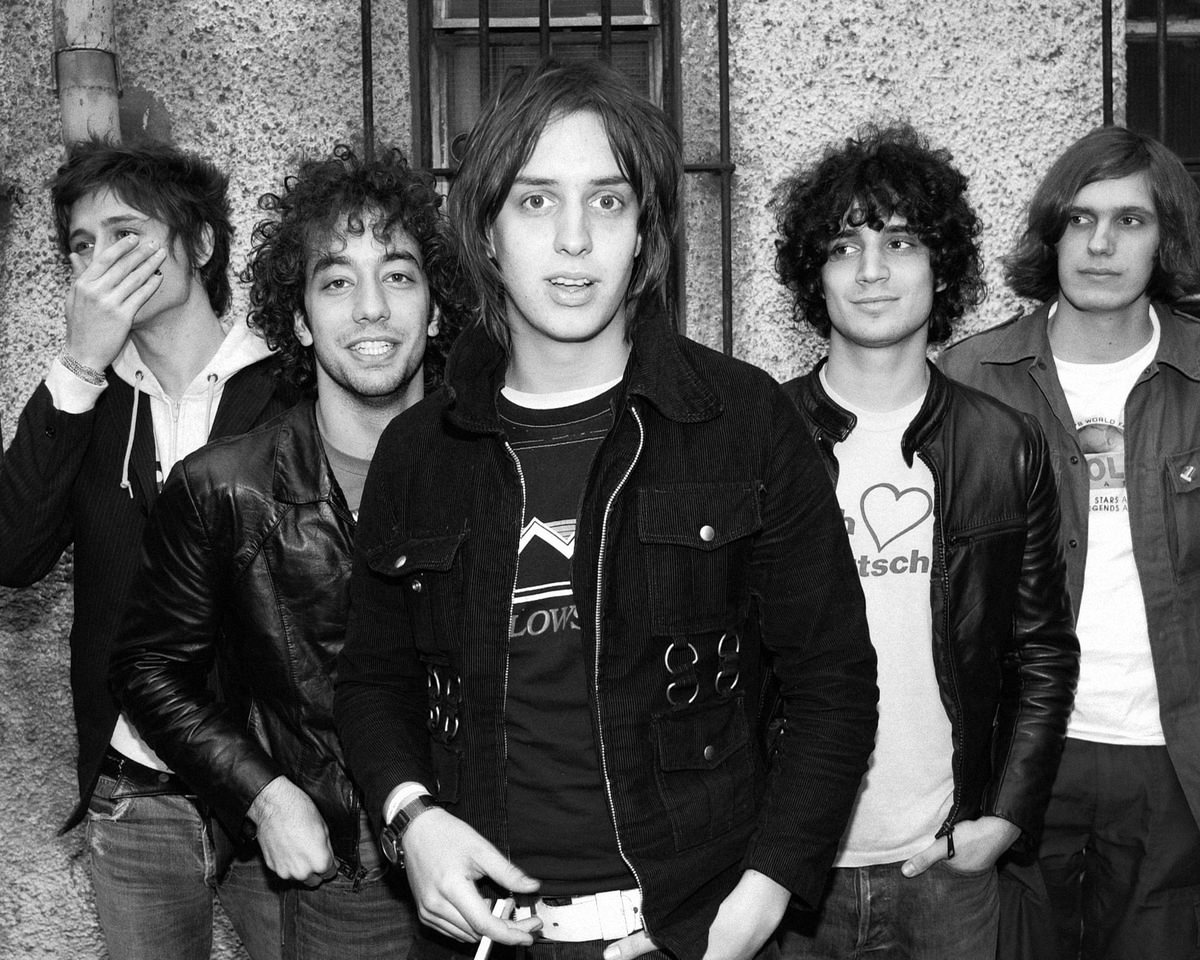
There was something strangely human about The Strokes. They weren't trying to sound perfect. Their music felt unfinished in the most beautiful way possible. Julian Casablancas sang as if he were standing behind a wall, Albert Hammond Jr. and Nick Valensi built melodies that somehow sounded effortless, and beneath the apparent simplicity there was songwriting of astonishing precision. Their coolness was almost accidental. They made being ordinary look extraordinary.
But what has always fascinated me isn't how influential they became. It's the burden that influence created. Imagine writing one of the most important debut albums of the century before turning twenty-five.
How do you continue after that?
Every album becomes a conversation with your own past. Every song is compared to songs you wrote decades ago. Every innovation is measured against nostalgia. Very few bands ever escape that prison.
Every Album Is a Different Version of The Strokes
One of the reasons I find The Strokes so fascinating is that people often reduce them to a single album.
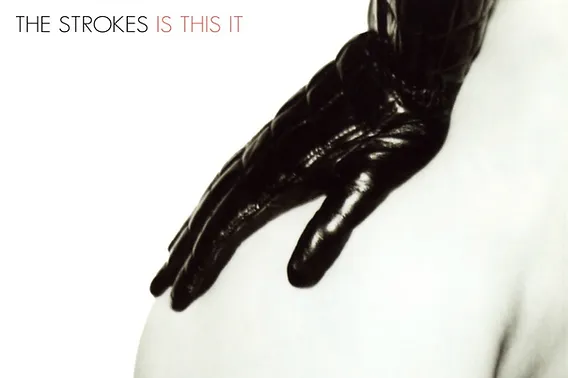
Mention their name, and almost everyone immediately thinks of Is This It. It's understandable, it isn't just one of the greatest debut albums ever made; it's become one of those records that completely escape the boundaries of music. It's a cultural landmark.
But I think doing that also misses something essential about who The Strokes are.
Because unlike many bands that slowly lose themselves after an iconic debut, The Strokes have spent the last twenty-five years asking themselves a difficult question:
"If we don't want to repeat ourselves, who do we become?"
Every album they've released feels like a different answer.
Is This It: Capturing Youth Before It Knows It's Disappearing
There's something almost magical about Is This It. Not because it's perfect. Because it doesn't even seem aware that it's creating history. The album feels accidental.
It doesn't sound like musicians desperately trying to write "important" songs. It sounds like five friends documenting the strange beauty of everyday life—missed opportunities, awkward relationships, endless nights in the city, boredom, confidence, insecurity.
It's cool without trying to be cool. And maybe that's why nobody has ever really managed to imitate it. People often copy the leather jackets, the guitar tones, Julian's vocal effects... But they can't imitate the feeling.
Is This It captures a very specific emotional state: that strange period in your early twenties where everything feels simultaneously infinite and completely uncertain. Listening to it now feels almost nostalgic for a life you may never have lived.
Room on Fire: The Impossible Second Album
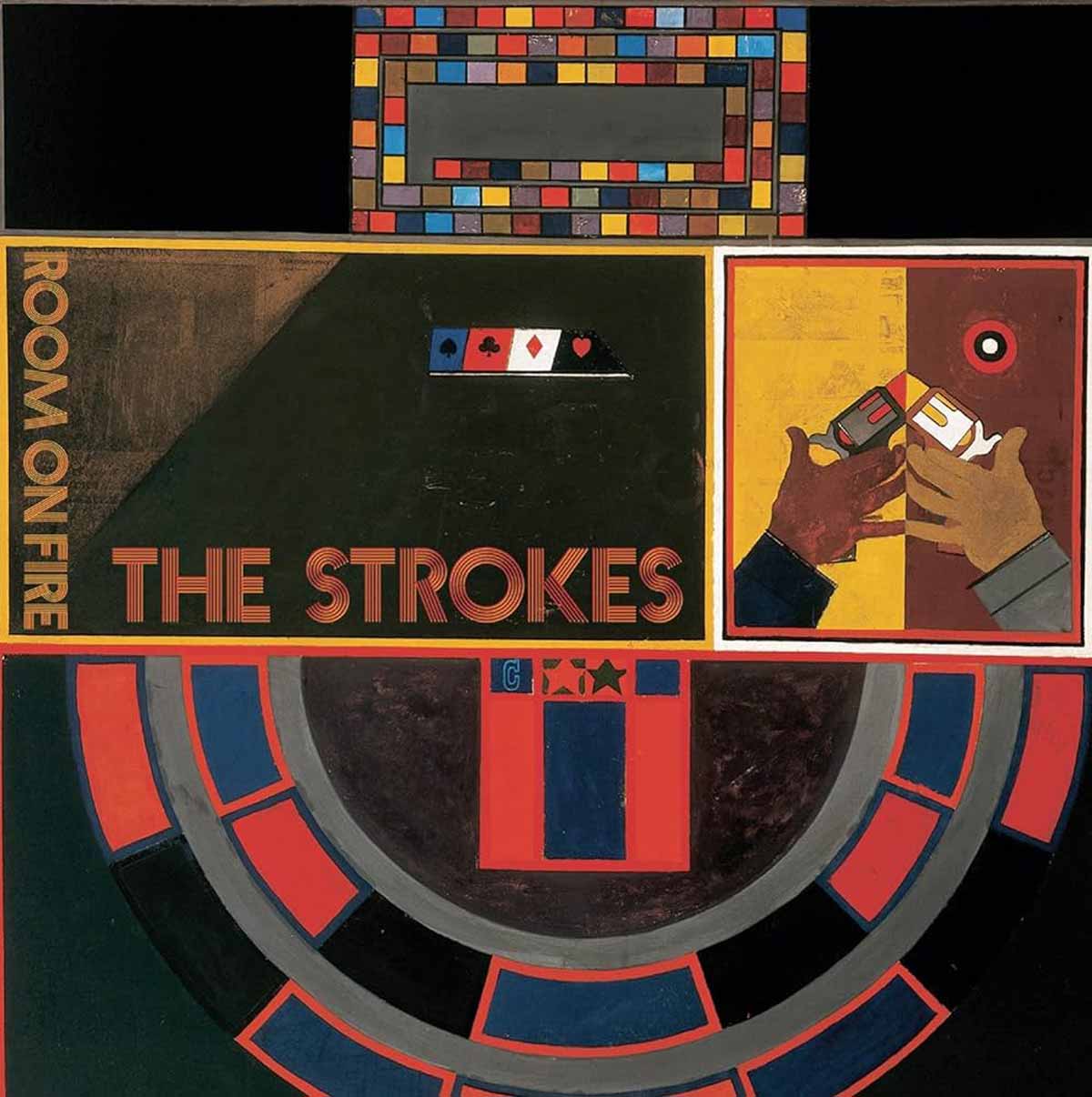
Imagine releasing one of the most celebrated debuts in rock history. Now imagine everyone asking you to do it again. That's exactly what Room on Fire had to face. At first glance, it almost feels like Is This It Part II.
The same sharp guitars.
The same dry production.
The same effortless melodies.
And because of that, it has often been unfairly criticized for not taking enough risks. But I've always thought Room on Fire deserves much more love than it gets. It's the sound of a band perfecting its own language before deciding to invent another one. Songs like Reptilia, 12:51, Automatic Stop or Under Control prove just how extraordinary their songwriting had become.If Is This It was instinct, Room on Fire was precision.
Every melody feels tighter.
Every guitar line feels intentional.
There's almost no wasted movement anywhere. Over the years I've actually found myself returning to Room on Fire just as often as their debut. Not because it's more ambitious. Because it's so incredibly consistent. Sometimes greatness doesn't come from changing everything. Sometimes it comes from understanding exactly what already works.
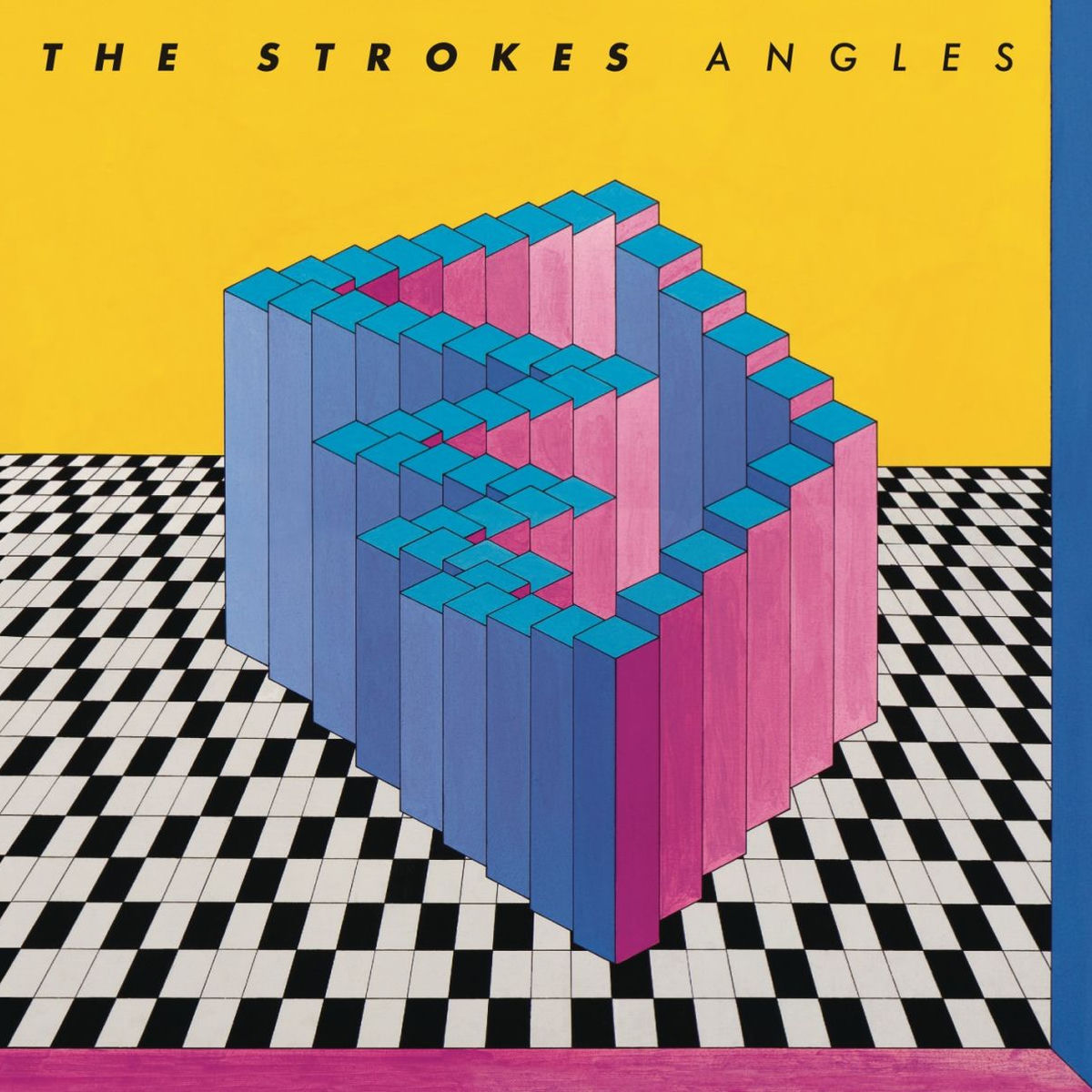
Angles: The Sound of a Band Learning to Disagree
I think Angles is one of the most misunderstood albums in their catalogue. By the time it was released, everyone already knew the stories. Creative tensions. Different recording sessions. Members barely working together. It would have been easy for those problems to completely destroy the record. Instead, something interesting happened.
You can actually hear those differences. Unlike the first albums, where everything points in one direction, Angles feels fragmented. One song leans toward synth-pop.
Another feels almost eighties-inspired.
Another still sounds like classic Strokes.
For some listeners, that's exactly why the album doesn't work.
For me...
That's why it's fascinating. It sounds like five musicians trying to figure out who they still are. Songs like Under Cover of Darkness, Taken for a Fool, Life Is Simple in the Moonlight and Machu Picchu each reveal different possibilities for the band's future. It's messy. Sometimes inconsistent. But wonderfully alive. Not every album needs to feel perfectly unified. Sometimes contradictions tell a more interesting story.
Comedown Machine: The Album That Was Ignored
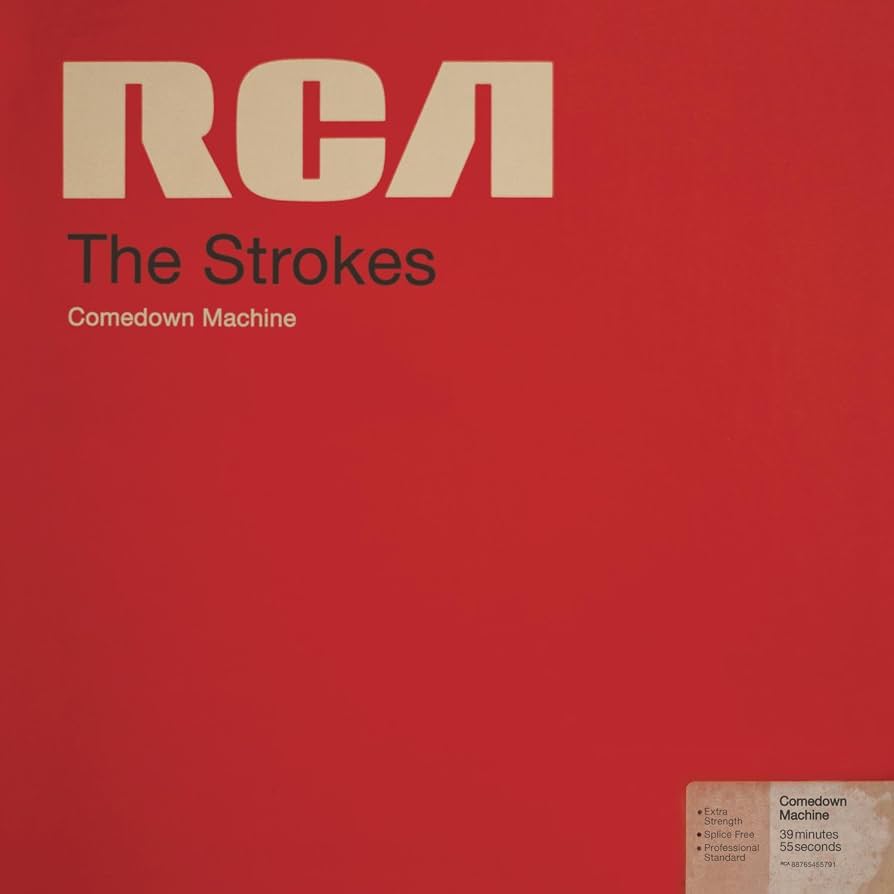
If there's one Strokes album that deserves a complete critical reappraisal, it's Comedown Machine. For years it felt almost invisible. There wasn't much promotion. The band itself seemed emotionally distant from it. Many fans skipped over it entirely. And that's a shame.
Because hidden inside Comedown Machine is some of the most delicate songwriting they've ever written. It's probably their quietest record. Their most vulnerable. The sharp confidence of the early years gives way to something softer, stranger, almost dreamlike.
Songs like Call It Fate, Call It Karma barely sound like the same band that wrote Hard to Explain. And yet they feel completely honest. There's a beautiful sense of exhaustion running through the entire album.
Not sadness exactly.
Acceptance.
Almost like watching the sun rise after staying awake all night. I think people expected another explosion. Instead they received a whisper. And whispers often take much longer to hear. Only in recent years have I noticed more people returning to Comedown Machine and discovering just how quietly brilliant it actually is.Maybe it simply arrived before listeners were ready for it.
The New Abnormal: Growing Older Without Losing Yourself
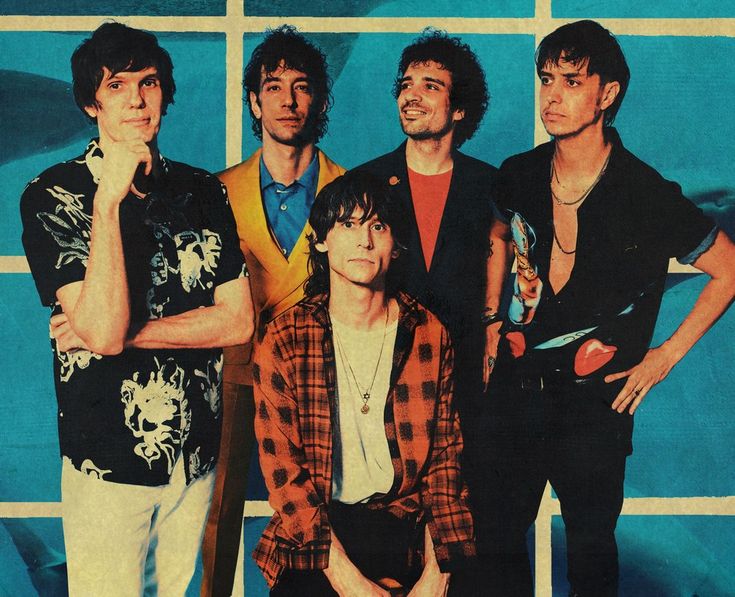
Then came The New Abnormal.
For me, this isn't just one of the best comeback albums ever made. It's one of the most emotionally mature rock albums of the last decade. There are reunion albums that exist because nostalgia sells. This isn't one of them. Nothing about The New Abnormal feels desperate to recreate 2001.
Instead, it accepts the passing of time. The guitars are still unmistakably The Strokes, but they're warmer now. Julian sounds less detached and more reflective. There's melancholy everywhere, but it's no longer the melancholy of youth. It's the melancholy of adulthood.
Of realizing life didn't quite become what you imagined—and learning to find beauty in that anyway. The Adults Are Talking feels effortlessly cool without chasing the past. Selfless is one of the most heartfelt performances Julian has ever recorded. Brooklyn Bridge to Chorus balances nostalgia with irony.
Why Are Sundays So Depressing carries that familiar Strokes groove while sounding completely contemporary. And then there's Ode to the Mets.
Honestly...
I think it's one of the greatest songs they've ever written. Not because it's loud. Because it's patient. It slowly unfolds into something devastating, reflecting on endings, regrets, acceptance, and the quiet realization that some chapters close whether we're ready or not.
The first time I heard it, I thought it was beautiful. Now I think it's extraordinary. That's the mark of truly great music. It grows older with you.
In many ways, The New Abnormal feels like the emotional opposite of Is This It. One captures the uncertainty before adulthood. The other captures the uncertainty after you've already lived through it. Both are masterpieces. Just for completely different reasons.
The Reality Awaits: Why Are People So Divided?
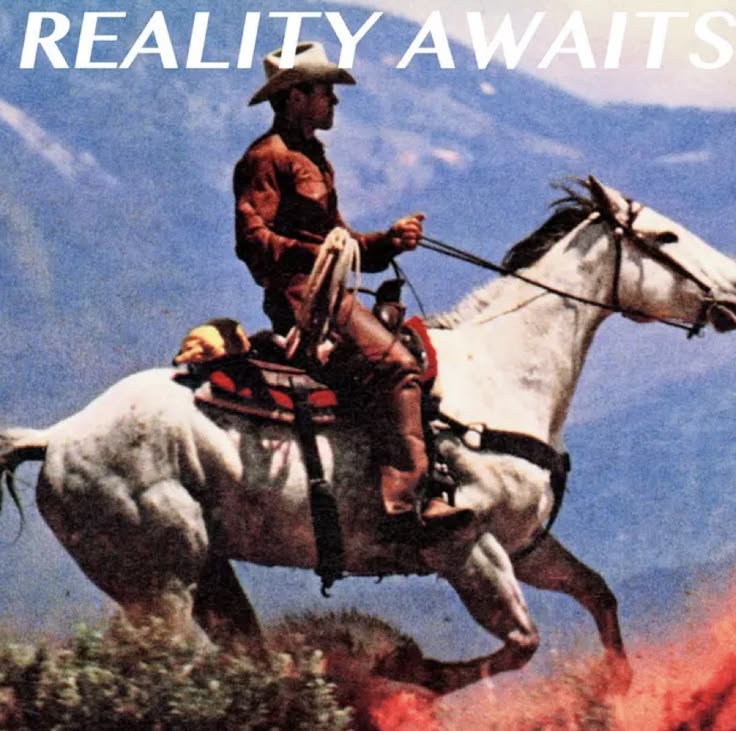
If you've spent even a few minutes online since its release, you've probably noticed how polarized the reactions have been. Some people absolutely hate it. Others think it's one of the most interesting things the band has ever done. After spending time with it myself, I honestly understand both perspectives.
Because this isn't an album that wants to please you. My first listen left me confused. Not disappointed. Confused.
I kept waiting for familiar moments that never arrived. For choruses that sounded unmistakably "Strokes." For guitars that immediately reminded me of Room on Fire or Is This It. Instead, I found something stranger. Something colder. Something less immediate.
The more I listened, the more I stopped hearing The Strokes trying to imitate themselves. Instead, I heard five musicians refusing to become their own tribute band. And I think that's incredibly brave.
One of the biggest traps successful artists fall into is nostalgia. Not because nostalgia is inherently bad, but because it's comfortable. Once you've created something people love, repeating it becomes safe.
Fans applaud because it reminds them of the music they already know. Critics call it a return to form. Everyone wins. Except art.
Art has never cared about comfort. Art survives because someone eventually decides to risk failure. That's exactly what I hear on The Reality Awaits.
This album doesn't sound interested in preserving The Strokes as a museum piece. It sounds interested in asking what happens next. Even if the answer is uncomfortable.
The Shadow of The Voidz
One criticism I've seen repeatedly, and one I actually agree with, is how much this record resembles The Voidz.
There are moments where the line between Julian Casablancas' two worlds becomes surprisingly blurry. The strange structures. The unpredictable production. The willingness to sacrifice accessibility in exchange for experimentation.
Sometimes it feels like The Strokes have stepped into Julian's other musical universe instead of the other way around. Whether that's a good thing probably depends on what you're looking for. Personally, I don't mind artists bringing different parts of themselves into a project. What matters to me is whether those ideas feel honest.
And I think they do.
The only aspect I'm still unsure about is Julian's voice. I've always loved the texture of his vocals, the slight imperfection, the laziness that somehow carried enormous emotion. Here, though, the processing occasionally feels excessive.
There are moments where his voice almost disappears beneath the effects. It's probably the only element that consistently takes me out of the experience. Not because it sounds bad. Because it feels distant.

Some Albums Aren't Meant to Be Loved Immediately
I think we've become obsessed with first impressions.
We listen to an album once and immediately decide whether it's a masterpiece or a disappointment. Streaming culture encourages speed. Consume. Rate. Move on.
But some records refuse to work like that. Some albums almost demand patience. They ask you to return. To notice details you missed. To slowly adjust your ears to a language that wasn't trying to be immediately understood.
The Reality Awaits feels exactly like that. Every listen changes my relationship with it. Songs I barely noticed at first suddenly become my favorites. Ideas that initially felt chaotic begin revealing surprising coherence.
It's almost as if the album expects the listener to evolve alongside it. Maybe that's why so many reactions have been so extreme. Not everyone wants to meet an album halfway. Sometimes we simply want music to meet us where we already are.
Loving a Band Means Letting It Change
I think being a fan is often misunderstood. People assume loyalty means wanting artists to stay exactly the same forever.
I disagree.
If anything, loving an artist should mean accepting that they'll eventually create something you don't completely understand. Because that's what growth looks like. If The Strokes spent the next twenty years making increasingly polished versions of Is This It, maybe we'd all enjoy listening to them.
But eventually those albums would stop meaning anything. Art isn't supposed to stand still. Neither are the people creating it. Maybe The Reality Awaits won't become my favorite Strokes album. Maybe it never will.
But I'd rather spend time with an imperfect record that dares to search for something new than a perfect imitation of a masterpiece that already exists. After all, we already have Is This It.
We don't need another one. We need artists willing to risk making the wrong album if it means discovering the right future. And maybe that's exactly what The Strokes are trying to do.
What Do You Think?
I'd love to know your thoughts.
Have you listened to The Reality Awaits yet?
Did it click immediately, or did it take time to grow on you?
And more importantly…
Do you think artists owe us the music we expect, or the music they genuinely want to create?
Comments
Displaying 6 of 6 comments ( View all | Add Comment )
amber
first off, i want to say just how much i love your style of writing! you articulate your sentences well, it's well-spoken but still simple enough so that the reader can understand what you're trying to say. it's a shame you don't get much attention.
i haven't listened to the strokes since i was 12, so it's been about 4 years since my last listen. however, i still remember the way their music just made me feel so seen, so they have a really special place in my heart despite my music taste now going towards more classical music, bossa nova and jpop. i liked them a lot back then because they were cool without trying to be just as you mentioned, their music doesn't feel performative. you can hear the love they have for music through their songs and that's what made them really stick out.
for the question, i dont think artists owe us music the fans expect. i think artists should have the liberty to make whatever they want, if they just keep going the safe route and make songs that are similar to their most popular ones then it'll get old fast. to me the beauty in art is experimenting with it. it's always welcome to have an artist make albums that all sound different from one another
manicsweetpreachrs
loved this post!! i really like how its organised
i wouldnt call myself a fan of the strokes per se, but ever since i first heard the new abnormal, ive absolutely loved it. i love how honest it feels with the studio noise at the end of tracks, it was really unlike most things id heard before.
when i found out that they had released a new single i was immediately interested, and curious to see what theyd do. the autotune definitely surprised me, and i wasnt the biggest fan of it at first, but it eventually really really grew on me. i tried to get a few of my friends to get into it, but "listen to this song you dont like 15 times to appreciate it" doesnt often work </3
when i first listened to the full album i think i liked it more than most on first listen, i like the autotune and what it adds to the songs. its not the abnormal level for me yet, but its really good, and its got me a lot more interested in their other work too.
i feel like in most cases, if musicians give people the music they expect, they end up just being a tribute band to themselves, and dont move forward creatively. theres a reason a lot of the "best bands" out there have made a significant and sudden switch from their old genre and style, they're willing to stick to their ideas.
again, thanks for this post!!!
Thank you so much!! It honestly means a lot that you took the time to read everything and leave such a thoughtful comment.
I completely get what you mean about The New Abnormal. That album has such a human feeling to it, especially with all those little studio moments left in. It almost feels like you're in the room with them instead of listening to something that's been polished to perfection.
And I had almost the exact same experience with the new songs. The autotune caught me off guard at first too, but after a few listens I started hearing it less as an effect and more as another instrument. I laughed at the "listen to this song you don't like 15 times" because that's genuinely how I've tried to convince people too, and it almost never works.
I also really agree with your last point. I'd much rather see artists take risks and make something that feels honest to where they are now than spend decades recreating the same album over and over again. Even if every experiment doesn't become everyone's favorite, I'd rather follow a band that's still curious than one that's afraid to change.
I'm really happy the album made you interested in exploring the rest of their discography. I hope you end up finding something you love in their older work too, it's really fun seeing how all these different eras connect. Thanks again for such a lovely comment
by discmaan_; ; Report
"I'd rather follow a band that's still curious than one afraid to change." IS SUCH A GOOD WAY OF PUTTING IT!!! i agree 100000%
cant wait to listen to the albums tonight (at least some of them), ive half listened to one or two before but with like, the context of reality awaits i think im going to enjoy them a more 😁😁😁
by manicsweetpreachrs; ; Report
neomatcha
( ˶°ㅁ°) !! im not a strokes fan at all, but this really made me wanna check it out. will report back if i do, great reviews!!
Thanks, I hope u can take a look!<3
by discmaan_; ; Report