


Twenty-Five Euros
Today I bought Fossora.
Double LP.
Twenty-five euros.
I must have checked the price three or four times before taking it to the register, convinced that someone had made a mistake. Records like this rarely cost so little anymore. Vinyl has become expensive, almost luxurious. Sometimes absurdly so. Yet there it was, sitting quietly among dozens of other records, asking for nothing more than to be taken home.
Twenty-five euros.
It almost feels disrespectful to reduce that moment to a number. Because how do you assign a price to something that has already become part of your life? I've always found it strange that we measure art in money. A painting can sell for millions. A novel can cost ten euros. A symphony can be heard for free.
None of those numbers have anything to do with what those works are actually worth. Their value begins only after we've lived with them. After they've quietly rearranged something inside us. There are albums that entertain us for forty minutes. And then there are albums that quietly accompany us for years, changing shape every time we become someone new.
Björk has always belonged to the second category. So when I carried Fossora home today, I didn't really feel like I'd bought another vinyl. It felt more like welcoming home a guest who had already been living inside my thoughts for years. Maybe that's one of the beautiful contradictions of collecting records. People often assume it's about owning music. I don't think it is. Music has never really belonged to us.
The songs don't become ours because we pay for them. If that were true, everyone who bought the same album would have the same relationship with it.
They don't. One person hears background noise. Another hears the soundtrack to the happiest summer of their life. Someone else hears the final conversation they never had. The record never changes. We do. And because we change, the music changes with us.
That's why I've never understood people who describe vinyl collecting as simply buying objects.
When I look at my shelves, I don't see plastic sleeves or black discs. I see periods of my life. I see winters. Train journeys. Sleepless nights. Friendships. Heartbreak. People I no longer speak to. Versions of myself that disappeared years ago. Every record is an emotional archive disguised as an object. Every scratch, every slightly worn corner, every faded sleeve is evidence that someone loved it enough to keep returning.
Perhaps that's why I still believe vinyl is the most beautiful way to experience music. Not because it sounds "better." That debate has never interested me very much. It is beautiful because it demands something that almost every modern technology tries to eliminate.
Time.
You choose an album. You remove it from its sleeve with both hands. You place it carefully on the turntable. You lower the needle. You sit down. And for the next forty or fifty minutes, there is an unspoken agreement between you and the artist.
You stay.
There are no algorithms deciding what comes next. No endless scrolling. No playlists interrupting one emotional world with another. Only one complete artistic statement. From beginning to end.
I've often wondered whether Björk's music almost requires that kind of listening. Not because she dislikes streaming. But because her albums have never felt like collections of songs. They feel closer to forests. To ecosystems. To weather.
You don't walk through a forest expecting every tree to look identical. You don't complain that mountains take too long to understand. You simply exist inside them.
Björk asks for exactly that. Presence. Patience. Curiosity. She has never written music that begs for immediate approval. She writes music that trusts you enough to return. Again. And again. Until one day, almost without noticing, the songs begin opening doors you didn't know existed.
That is what happened to me. I don't remember the exact moment I became a fan of Björk. I don't even think the word fan is enough anymore. There are artists whose music you admire. Then there are artists who slowly become part of the architecture of your inner life. Without asking permission. Without announcing themselves. They simply begin living there. Changing the way you hear silence. Changing the way you notice rain. Changing the way you think about love, loneliness, nature, grief, beauty, even language itself.
Björk did that to me. She taught me that music could breathe. That it could grow like moss. That it could erupt like volcanoes. That it could whisper louder than screams. That an album didn't need to explain itself in order to be honest. Long before I understood her music, I trusted it. And maybe that's what real art asks from us. Not immediate understanding.
Faith.
Faith that somewhere inside all the strange sounds, the impossible harmonies, the clarinets that seem to grow out of the earth, the electronic pulses that resemble distant stars, there is another human being trying to tell us something words could never contain.
Today I spent twenty-five euros. Objectively, I bought two pieces of vinyl, a gatefold sleeve, a booklet, and a handful of songs that I already knew by heart. But that's not what it felt like. It felt like bringing home another chapter of a conversation that has been quietly shaping my life for years. Some people collect records because they love music.
I think I collect Björk because, every time I listen to her, she reminds me that the world is infinitely stranger, more beautiful, and more alive than I remembered. And perhaps that's the greatest gift any artist can give another human being. Not escape from reality. But a new way of seeing it. So this essay isn't really about Fossora. Nor is it only about Björk.
It's about what happens when another person's imagination becomes so vast, so fearless, and so profoundly human that it changes the geography of your own. This is simply where my story begins. With twenty-five euros. And a record that is worth infinitely more than that.
Who Is Björk?
Every generation inherits a handful of artists who permanently change the vocabulary of their medium. Not simply because they become successful. Not because critics celebrate them. Not because other artists imitate them.
But because, after they arrive, it becomes impossible to imagine their art form without them. In literature, there are writers who permanently altered the possibilities of language. In cinema, there are filmmakers who taught us that films could dream. In painting, there are artists who completely reinvented color.
Music has people like that too. David Bowie. Miles Davis. Kate Bush. Brian Eno. And, without the slightest doubt...
Björk.
Yet even placing her alongside those names feels insufficient. Because Björk has never seemed interested in becoming part of history. History simply kept following her. For over four decades she has quietly done something almost nobody else has managed to accomplish.
She has remained completely impossible to imitate. Countless artists have borrowed her aesthetics. Her fashion. Her production. Her vocal techniques. Her fearless experimentation. But no one has ever truly sounded like Björk. Not because she guards some secret. Because what she creates doesn't begin with music. It begins with the way she sees the world.
I think that's the first thing people misunderstand about her. Most musicians write songs. Björk builds ecosystems. When she creates an album, she isn't simply deciding which instruments to use or what melodies to write. She's imagining an entire universe. Its weather. Its geography. Its emotional climate. Its physics. Its seasons. Only after that do the songs begin to emerge.
That's why every one of her records feels less like listening to an album and more like stepping into a place that already existed long before you arrived.
There are forests inside Vespertine. Volcanoes inside Homogenic. Cells dividing inside Biophilia. Open wounds inside Vulnicura. Birds building impossible futures inside Utopia. Fungi breathing beneath the earth inside Fossora.
She doesn't merely sing about these things. She allows them to become the music itself. I've always found it fascinating that people describe Björk as "experimental." Not because the word is wrong. Because it often carries the wrong implication. It makes experimentation sound cold. Intellectual. Clinical. As though she were creating difficult music simply for the sake of being different. Nothing could be further from the truth.
Björk has never experimented to impress anyone. She experiments because ordinary language eventually became too small for what she wanted to express. Imagine trying to describe the feeling of watching snow fall for the first time. Or the grief of losing someone you've loved for decades. Or the overwhelming realization that nature existed for billions of years before humanity ever arrived.
Eventually, words begin to fail. Traditional song structures begin to fail. Even melodies begin to fail. So she searches elsewhere. In breath. In silence. In choirs. In electronic distortion. In the sound of ice breaking. In clarinets. In insects. In the beating of a human heart. She listens to the world before asking it to become music. That's an extraordinary way of making art. And perhaps it's also why her work feels so profoundly alive.
I've often wondered what separates artists from visionaries. Technical ability isn't enough. There are thousands of brilliant singers. Thousands of extraordinary composers. Thousands of talented producers. Vision seems to be something else entirely. A visionary changes not only what art sounds like... But what audiences believe art is capable of becoming.
That is Björk's greatest achievement. She expanded the borders of music. Before her, electronic music and orchestral music were often treated as separate worlds.
Nature belonged to documentaries. Technology belonged to laboratories. Science belonged to classrooms. Pop belonged to radio. She quietly erased those borders.
Suddenly, a song could be about plate tectonics. About mitochondria. About motherhood. About moss. About desire. About black holes. About mourning. About microorganisms. About tectonic pressure. About birdsong. Nothing was too strange. Nothing was too intimate. Nothing was too beautiful. Or too ugly.
She trusted that human curiosity was much larger than the music industry believed. And she was right. What I admire most, however, isn't her originality. It's her honesty.
Many artists reinvent themselves because reinvention becomes part of their brand. Björk reinvents herself because remaining still would be dishonest. Every album sounds like the person she genuinely was at that exact moment in her life.
She has never chased trends. She has never looked backwards simply because nostalgia sells. She has never repeated herself just because audiences expected her to. Every record risks disappointing people who wanted another Homogenic. Or another Vespertine. Or another Post. And yet she keeps moving. Quietly. Fearlessly.
As though the next question has always mattered more than the previous answer. That kind of artistic integrity is incredibly rare. Especially today. In a world obsessed with algorithms, immediate gratification and familiarity, Björk continues making albums that ask something radical from their listeners. Patience. Attention. Curiosity.
She assumes we are capable of growing alongside her. Very few artists extend that kind of trust to their audience. And perhaps that's why listening to Björk has never felt like consuming music. It feels like participating in a conversation. Sometimes a difficult one. Sometimes an overwhelmingly beautiful one. But always an honest one. So...
Who is Björk?
She is not simply a singer. Nor only a songwriter. Nor merely a composer. She is a poet who thinks in frequencies. A scientist who speaks through emotion. A filmmaker working with sound instead of images. An architect of invisible worlds. A woman who looked at the boundaries of music and quietly asked:
"Why should they exist at all?"
Maybe that's why no definition ever seems large enough. Because Björk is not an artist who fits inside genres. She is an artist who reminds us that genres were never meant to contain imagination in the first place.
Why Björk Changed Music Forever
People often measure an artist's importance by numbers. How many records they've sold. How many awards they've won. How many stadiums they've filled. How many number-one singles they've had.
Those things matter, of course. They become part of history. But they are not what changes history. History changes when someone permanently alters the imagination of the people who come after them.
That is what Björk did.
Her greatest achievement isn't that she became one of the most acclaimed musicians of all time. It's that she quietly expanded the definition of what music could be. After Björk, artists became less afraid. Less afraid of silence. Less afraid of strange sounds. Less afraid of vulnerability. Less afraid of beauty. Less afraid of failure.
She gave musicians permission to stop asking, "Will people understand this?" And instead ask, "Is this honest?"
I think that's a far more important legacy than any award could ever represent.
She Refused to Live Inside Genres
One of the strangest things about music is our obsession with categories. We seem to need labels for everything. Rock. Pop. Electronic. Classical. Jazz. Experimental. Trip-hop. Folk. Ambient. As if music were a library where every record had to return to its assigned shelf.
Björk has spent her entire career refusing that idea. Listen to Post. One song explodes with industrial percussion. The next becomes intimate electronic pop. Then suddenly there's big-band jazz. Then trip-hop. Then orchestral arrangements. Then dance music. It should feel incoherent. Instead, it feels completely natural. Not because the genres fit together. Because she fits them together. That's an important distinction.
The music doesn't revolve around style. It revolves around Björk's imagination. The genre changes. The emotional truth doesn't. Most musicians ask themselves, "What kind of music do I want to make?" Björk seems to ask a completely different question. "What emotion am I trying to understand?"
Once she finds the answer, the music simply follows. Sometimes that answer requires strings. Sometimes choirs. Sometimes distorted electronic beats. Sometimes voices without instruments. Sometimes clarinets buried beneath the earth. She has never been loyal to genres. She has only ever been loyal to curiosity.
She Turned Technology Into Something Human
For decades, people treated electronic music as something mechanical. Cold. Artificial. Almost emotionless. Technology belonged to machines. Emotion belonged to orchestras.
Björk never accepted that separation. She understood something many people still struggle to recognize. Technology isn't the opposite of humanity. Technology is something humans create. Which means it can be just as emotional as a violin. Or a piano. Or a voice.
Listen carefully to Homogenic. The beats don't interrupt the strings. They breathe with them. Neither one dominates. Both become different languages trying to describe the same feeling. Years later, Biophilia would take that idea even further. She wasn't simply writing songs. She was asking what music had in common with gravity. With galaxies. With crystals. With DNA. With tectonic plates. With lightning.
Who else would even think to ask those questions? Who else would build instruments just because existing ones couldn't express the ideas they were chasing? Björk has always approached music less like a performer and more like an inventor. Not inventing for the sake of novelty. Inventing because curiosity demanded it.
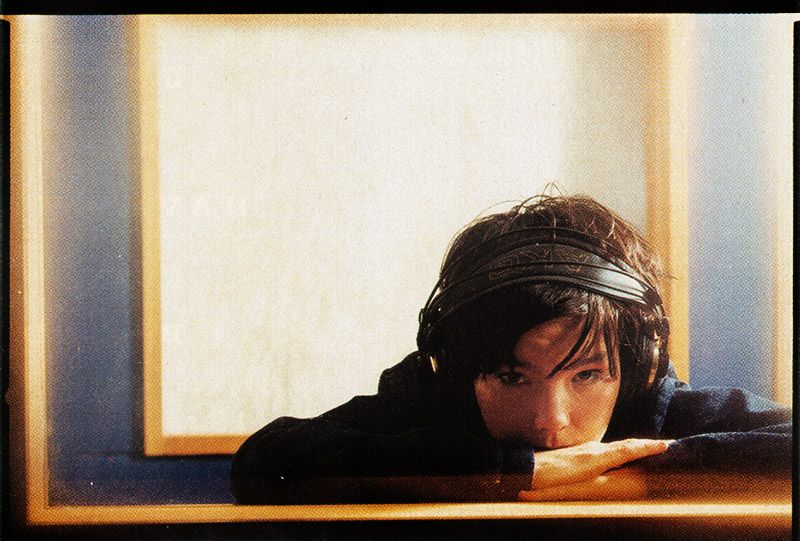
She Made Nature Sound Alive
I've always believed that very few artists truly understand nature. Many write songs about forests. Or oceans. Or mountains. Or birds.
Björk doesn't. She writes songs that feel as though they were written by them. There's an enormous difference. Nature isn't decoration in her work. It isn't metaphor. It isn't aesthetic. It is family.
She doesn't place herself above the natural world. She dissolves into it. Volcanoes become emotional landscapes. Birdsong becomes composition. Moss becomes memory. Roots become ancestry. Fungi become grief. Rain becomes rhythm.
She reminds us of something modern life constantly encourages us to forget: We are not standing outside nature. Our lungs behave like forests. Our veins resemble rivers. Our nervous systems crackle with electricity. Our bodies are ecosystems inhabited by millions of invisible lives.
Listening to Björk often feels like remembering something humanity once knew before cities convinced us otherwise.
She Changed What a Female Artist Could Be
One of the most remarkable things about Björk's career is that she never accepted the roles the industry tried to give her.
She was never interested in becoming a pop star. Nor a rock singer. Nor an avant-garde icon. Nor a celebrity. She simply wanted to keep making art. That sounds obvious. It isn't.
Women in music have spent decades being expected to fit narratives that were written long before they arrived. Be beautiful. Be marketable. Be relatable. Be mysterious—but not too mysterious. Be experimental, but not enough to alienate people. Smile during interviews. Explain yourself. Simplify yourself. Shrink yourself.
Björk refused every single one of those expectations. She cried publicly. She laughed loudly. She spoke passionately about technology. She composed. She produced. She collaborated. She argued.
She challenged journalists when they ignored her work to focus on her clothes. She insisted, again and again, that she wasn't simply the face standing in front of the music.
She was creating it. Writing it. Building it. Producing it. Imagining it. That may sound obvious today. It wasn't when she began. Every woman making ambitious experimental pop today walks through doors that Björk helped force open. Not because she wanted followers. Because she refused to close them behind her.
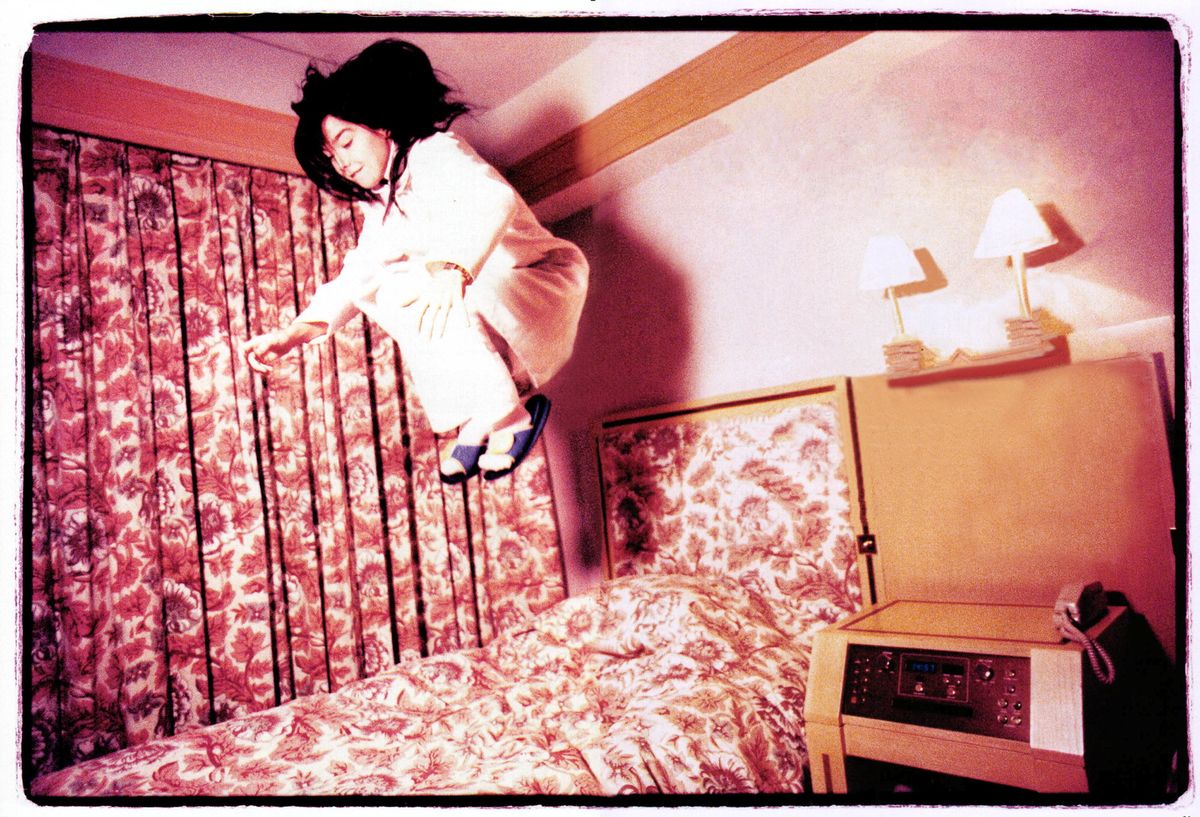
She Never Chased Relevance
This might be the thing I admire most about her.
Björk has never seemed interested in remaining fashionable. Imagine how easy it would have been. She could have spent thirty years making different versions of Homogenic. Fans would have loved it. Critics would probably have loved it too. The albums would have sold. She would have become a monument to her own past.
Instead...
She chose uncertainty. Every new album risks confusing people. Every new era abandons something listeners once adored. Every reinvention creates new admirers while losing old ones. That requires extraordinary courage. Especially after decades of success. Because success has a strange habit of becoming a prison. The world rewards artists for discovering one brilliant idea.
Then punishes them for searching for another. Björk has ignored that pressure for over forty years. Not because she doesn't care about her audience. But because she respects them enough to believe they can grow. That is a very different relationship from the one most musicians have with their listeners. She doesn't ask us to admire her. She invites us to evolve alongside her.
Art That Doesn't Explain Itself
We live in an age obsessed with immediate understanding.
Every song needs to become a thirty-second clip. Every film needs to be summarized. Every painting needs a caption. Everything must become instantly digestible.
Björk's work quietly resists that entire philosophy. Some of her albums don't fully reveal themselves for months. Some songs remain mysterious for years. Some lyrics seem to change meaning every time life changes you. That isn't pretension. It's trust.
She believes her audience is intelligent enough to return. To listen again. To notice more. To grow. To be transformed. Very few artists demand that kind of patience today. Even fewer reward it as generously as she does.
The Artists Who Came After Her
Sometimes influence isn't obvious. It isn't about hearing one artist copy another. It's about recognizing a shift in possibility. Without Björk, would artists like Arca sound exactly the same?
Would FKA twigs have found such freedom in combining choreography, experimental electronics and vulnerability? Would Caroline Polachek feel as fearless moving between avant-pop and emotional intimacy? Would Eartheater exist in the form we know today? Would so many producers have learned that electronic music could breathe like something alive instead of functioning like a machine?
Perhaps.
Great artists rarely emerge from only one influence. But I think the landscape would look very different. Björk didn't create these musicians. She created a world in which musicians like them became imaginable. That may be an even greater achievement.
She Didn't Just Change Music
Sometimes I think saying Björk changed music is actually too small a statement. Because music has never really been the subject of her work. Life has. She writes about birth without sentimentality. Love without cliché. Heartbreak without self-pity. Nature without romanticizing it. Technology without fearing it. Death without looking away.
She reminds us that these things were never separate. They're all part of the same living organism. The same endless conversation between people and the world they inhabit. That's why her albums continue revealing new meanings decades after they're released. They don't simply reflect the moment they were made. They reflect the experience of being alive.
And that experience never stops changing. Perhaps that's why Björk has never truly grown old. Because curiosity doesn't age. Imagination doesn't wrinkle. Wonder has no expiration date.
When people ask me why Björk matters, I never know how to answer in a single sentence.
How do you explain someone who transformed not only the sound of modern music, but the very idea of what an artist is allowed to become? Maybe you can't. Maybe the only real answer is to put on one of her records. Lower the needle. Listen carefully. And allow yourself, for just an hour, to imagine a world without boundaries.
Then you'll understand. Not because someone explained Björk to you. But because, for the first time, you'll begin to hear the world the way she does.
Every Album Is a Stage of Life
There are artists whose discographies feel like collections. Albums placed one beside another. Separate ideas. Separate moments. Separate chapters.
Björk has never worked that way.
When I look at her discography, I don't see eleven different records. I see one continuous organism. A single life unfolding.
Each album grows naturally from the previous one, not because they sound alike, but because they ask the next question. Almost every artist spends their career trying to find themselves. Björk seems to spend hers accepting that the self is never finished. Every few years she sheds another skin. Not because the previous one wasn't beautiful. But because remaining inside it would mean stopping her own evolution.
That's what makes following Björk such a profoundly emotional experience. You don't simply watch an artist grow. You grow alongside her. As she changes, you begin changing too.
When I revisit her discography today, it no longer feels chronological. It feels biological. Like watching a tree grow ring by ring. Each album preserving a different version of the same soul.
Debut — Childhood Never Truly Ends
Most artists spend their first album introducing themselves.
Björk spent hers introducing curiosity. There is something wonderfully childlike about Debut. Not childish. Childlike. Those are completely different things.
Children don't divide the world into categories. They don't think birds are less interesting than computers. Or rain less fascinating than cities. Everything deserves wonder. Listening to Debut feels like recovering that ability. Every sound arrives with wide eyes. House music dances beside jazz. Electronic textures embrace pop melodies. Nothing apologizes for existing. Nothing asks permission.
The entire album radiates a kind of joyful innocence that has almost disappeared from modern music. It reminds us that growing older should never require growing less curious.
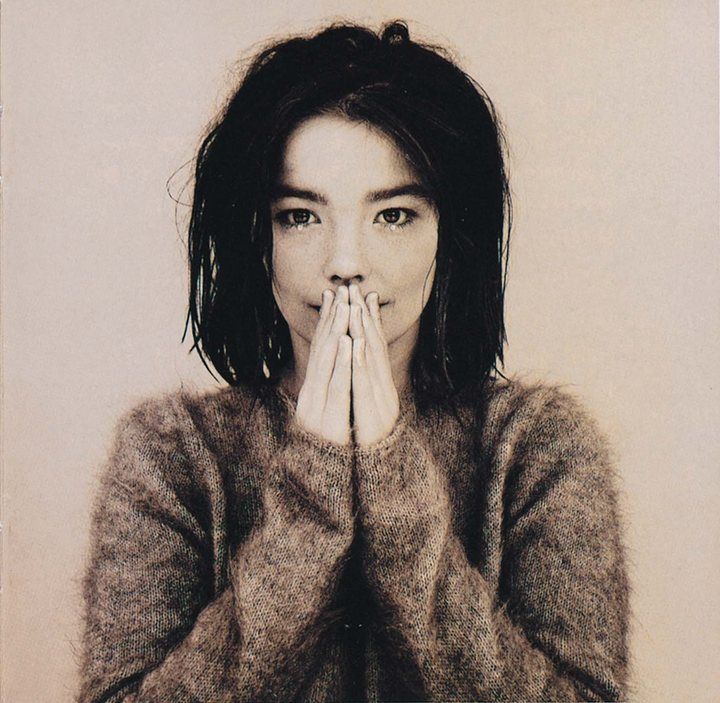
Post — Falling in Love with Chaos
If Debut is curiosity...
Post is discovery.
It's the sound of someone stepping into the enormous, confusing, exhilarating world and deciding to embrace all of it. I've always imagined Post as walking through a city you've never visited before. Every street offers another surprise. Another rhythm. Another color. Another possibility.
Few albums celebrate contradiction the way this one does. It's loud. Then intimate. Playful. Then devastating. Aggressive. Then unbelievably tender.
It refuses emotional consistency because life itself refuses emotional consistency. You can fall in love in the morning. Lose yourself by afternoon. Dance all night. Cry before sunrise.
Post understands that.
To me, it's the album of youth, not because it's naïve, but because it still believes every direction might lead somewhere extraordinary.
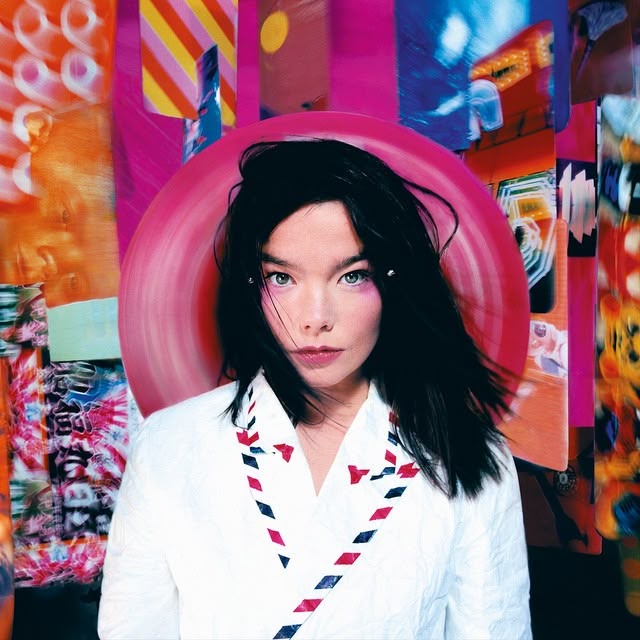
Homogenic — Becoming Yourself
There comes a moment in every person's life when curiosity begins transforming into identity.
When we stop asking, "Who could I become?" And begin asking, "Who am I?"
That is Homogenic. If Post explores the world... Homogenic builds one.
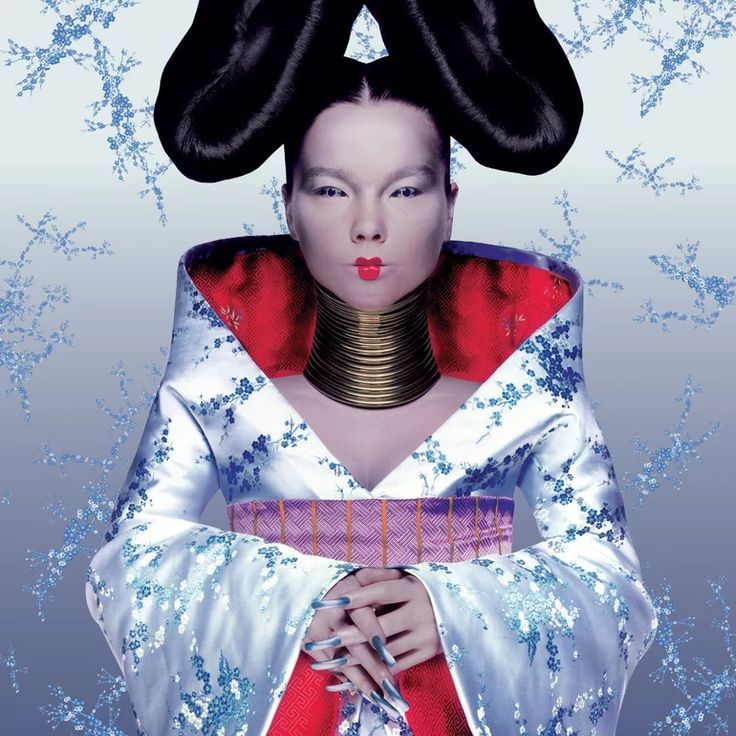
This is the moment Björk stopped sounding like anyone else. The strings don't simply accompany the beats. They collide with them. The electronics don't decorate the orchestra. They erupt beneath it like lava beneath the earth.
Everything feels geological. Massive. Ancient. Violent. Beautiful. It isn't difficult to understand why so many people consider it her masterpiece. Because it sounds like absolute artistic certainty.
Not certainty in the sense of having all the answers. Certainty in knowing exactly which questions deserve to be asked. I've often described Homogenic as music written by a volcano learning to speak. It contains anger. Love. Isolation. Strength. Fragility.
Not as separate emotions. As different eruptions of the same emotional landscape. This isn't simply one of the greatest electronic albums ever made. It's one of the greatest portraits of becoming yourself.
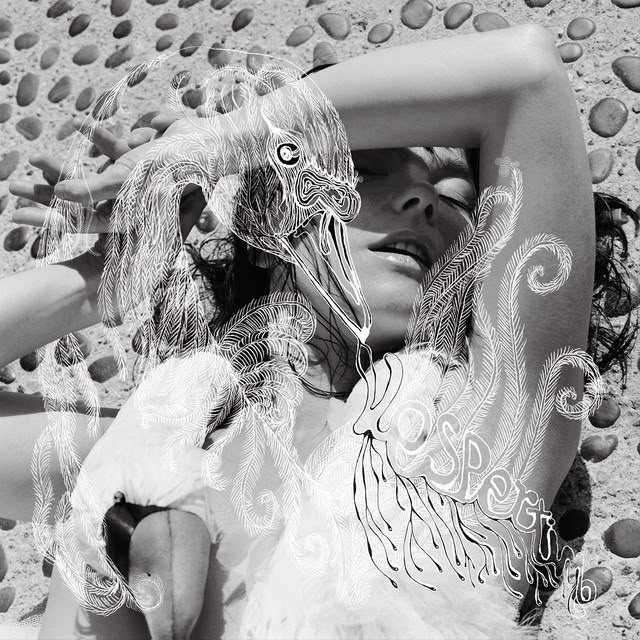
Vespertine — Learning That Quietness Can Be Infinite
What fascinates me most about Björk is that every time the world expected her to become bigger...
She became smaller. After the monumental scale of Homogenic, almost anyone else would have tried to outdo themselves. Louder beats. Larger orchestras. More spectacle.
Instead...
She whispered. And somehow created something even more immense. Vespertine feels less like listening to music and more like overhearing someone's soul. The tiny clicks. The microscopic electronic details. The choirs. The harp. The breathing. The silence between sounds.
Everything invites you closer instead of overwhelming you. I've never heard another album that understands intimacy quite like this one. It suggests that love isn't found in grand gestures. It's found in fingerprints. In warm hands. In snow falling outside a window. In someone breathing beside you while the world sleeps.
Many people describe Vespertine as a winter album. I think it's much more than that. It's an album about discovering that vulnerability isn't weakness. Sometimes the quietest voice carries the greatest truth.
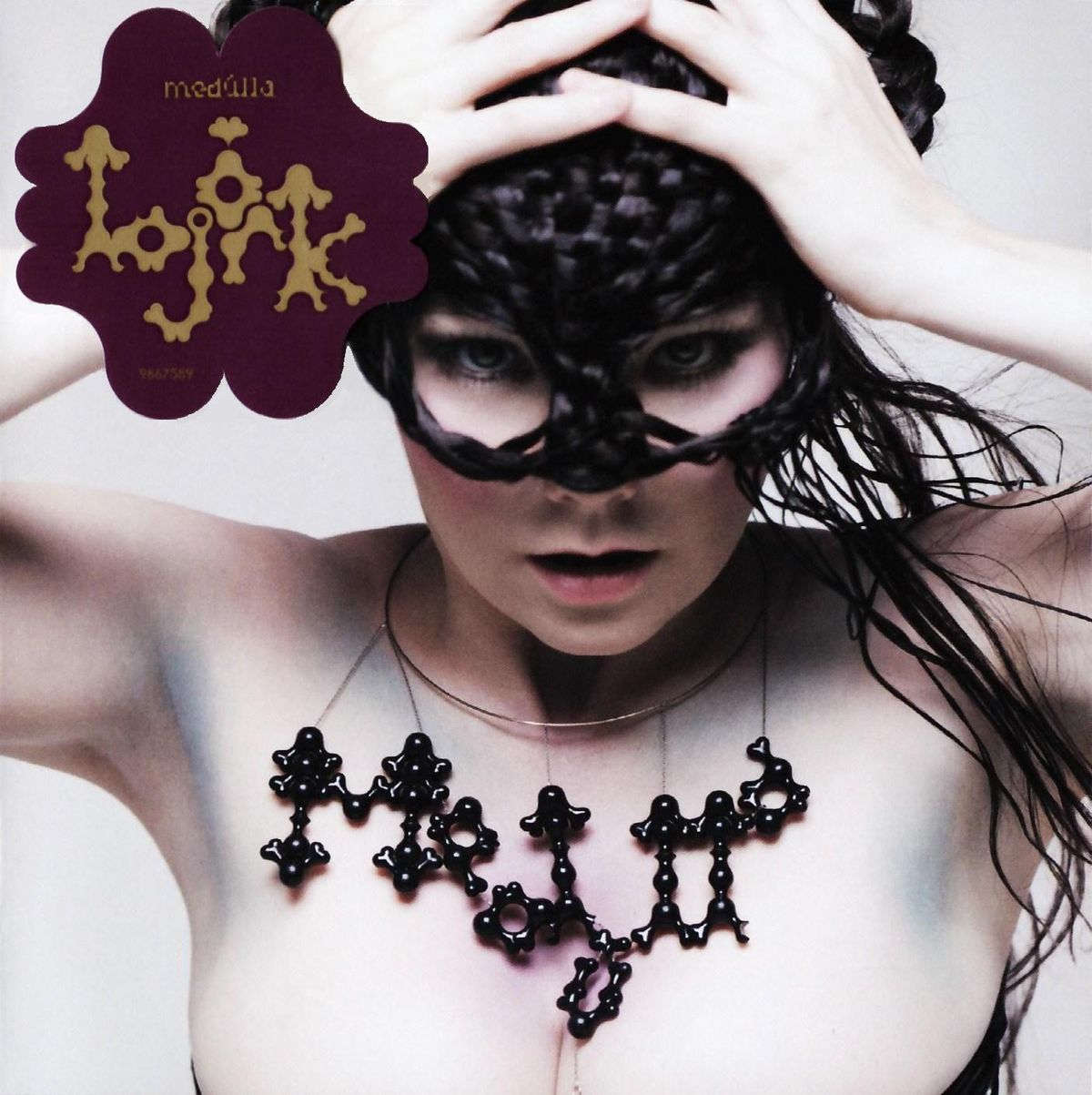
Medúlla — Returning to the Human Body
If Vespertine looked inward...
Medúlla looked even deeper. Beneath instruments. Beneath technology. Beneath orchestras. Down to the oldest instrument humanity has ever possessed. The voice. I still find Medúlla astonishing. Not simply because of how ambitious it is. Because of the question it asks.
What remains if almost every instrument disappears?
The answer is unexpectedly beautiful. The human body. Breath. Heartbeat. Language before language. Listening to Medúlla feels strangely primal.
As though you're hearing music from both the distant future and humanity's distant past simultaneously. It reminds us that before we invented pianos... Before violins... Before synthesisers... We sang. Perhaps we've always carried orchestras inside ourselves.
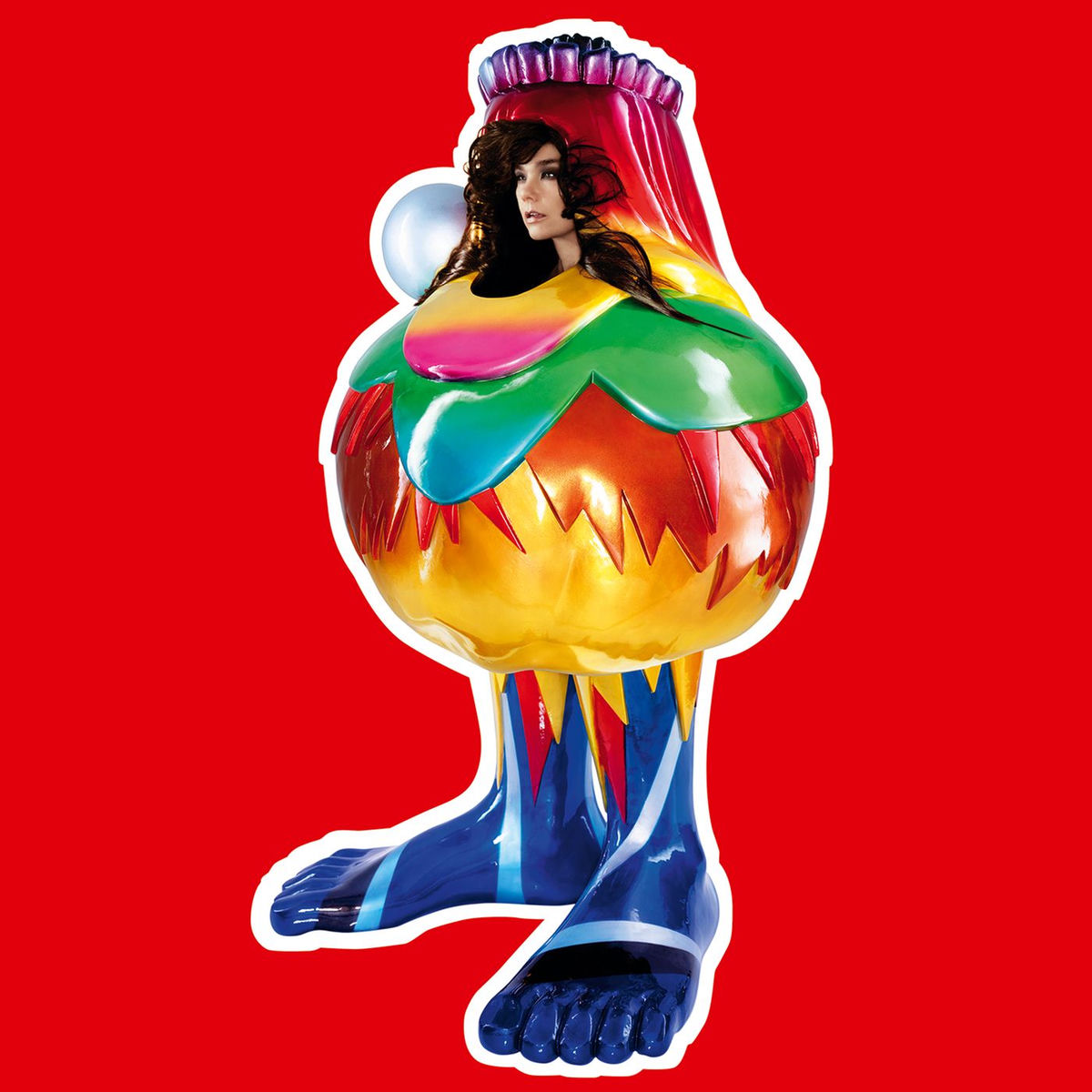
Volta — Movement
I think Volta is one of Björk's most misunderstood albums. People often compare it to the records surrounding it instead of listening to what it actually wants to become.
To me...
Volta feels restless. It refuses stillness. Brass explodes across the songs. Rhythms travel across continents. Politics enters the conversation. Movement becomes the central emotion.
It's the sound of someone refusing comfort. Not every journey is graceful. Some are loud. Some are uncertain. Some are gloriously messy. So is Volta. And perhaps that's exactly why I love it.
Biophilia — Wonder
There are albums about science. There are albums about nature. Then there's Biophilia. An album that quietly argues those two things were never separate. I've always admired how Björk approaches knowledge. She never treats science as cold information. She treats it as poetry waiting to be understood. Crystals. Gravity. Viruses. Moon cycles. Galaxies. Lightning.
None of these ideas become educational metaphors. They become emotional ones. Biophilia asks one of the most beautiful questions I've ever encountered in music. What if understanding the universe also helped us understand ourselves?
Perhaps our emotions obey invisible forces too. Perhaps love has its own gravity. Perhaps grief has tectonic pressure. Perhaps memory grows like crystals beneath the surface. This album doesn't provide answers. It teaches us to remain amazed by the questions.
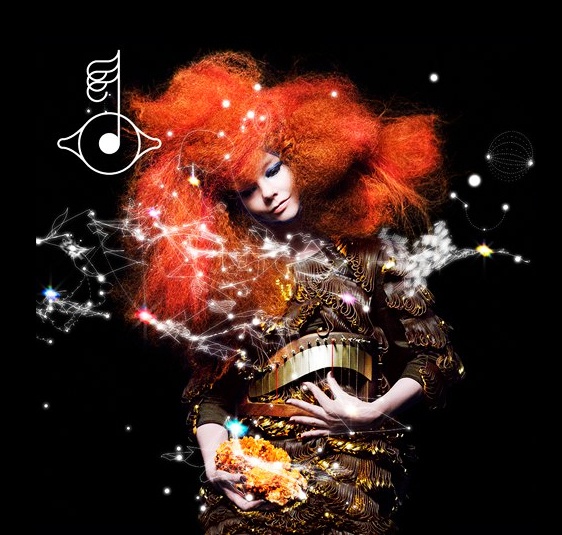
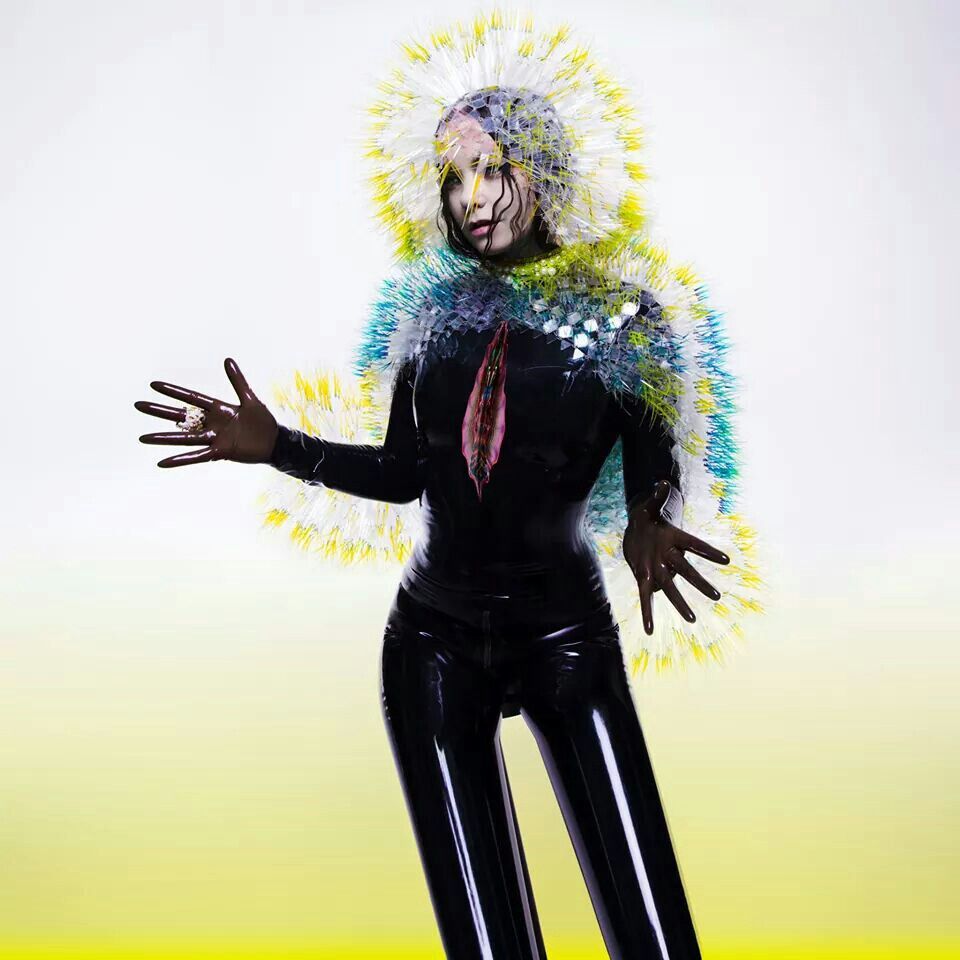
Vulnicura — When Love Leaves
Every human life eventually arrives here. Whether we want it to or not. Loss. There are countless breakup albums. Few have ever reached the emotional honesty of Vulnicura.
This isn't heartbreak transformed into spectacle. It's heartbreak observed almost scientifically. Every wound remains visible. Every emotion arrives before it has learned how to organize itself.
Listening to Vulnicura can be uncomfortable. Not because it's dramatic. Because it's true. Grief never moves in straight lines. Neither does this album. It circles. Repeats itself. Falls apart. Begins again.
I've rarely heard music that allows sadness to exist without trying to solve it. Sometimes healing isn't about escaping pain. Sometimes it's simply surviving long enough to witness it changing shape.
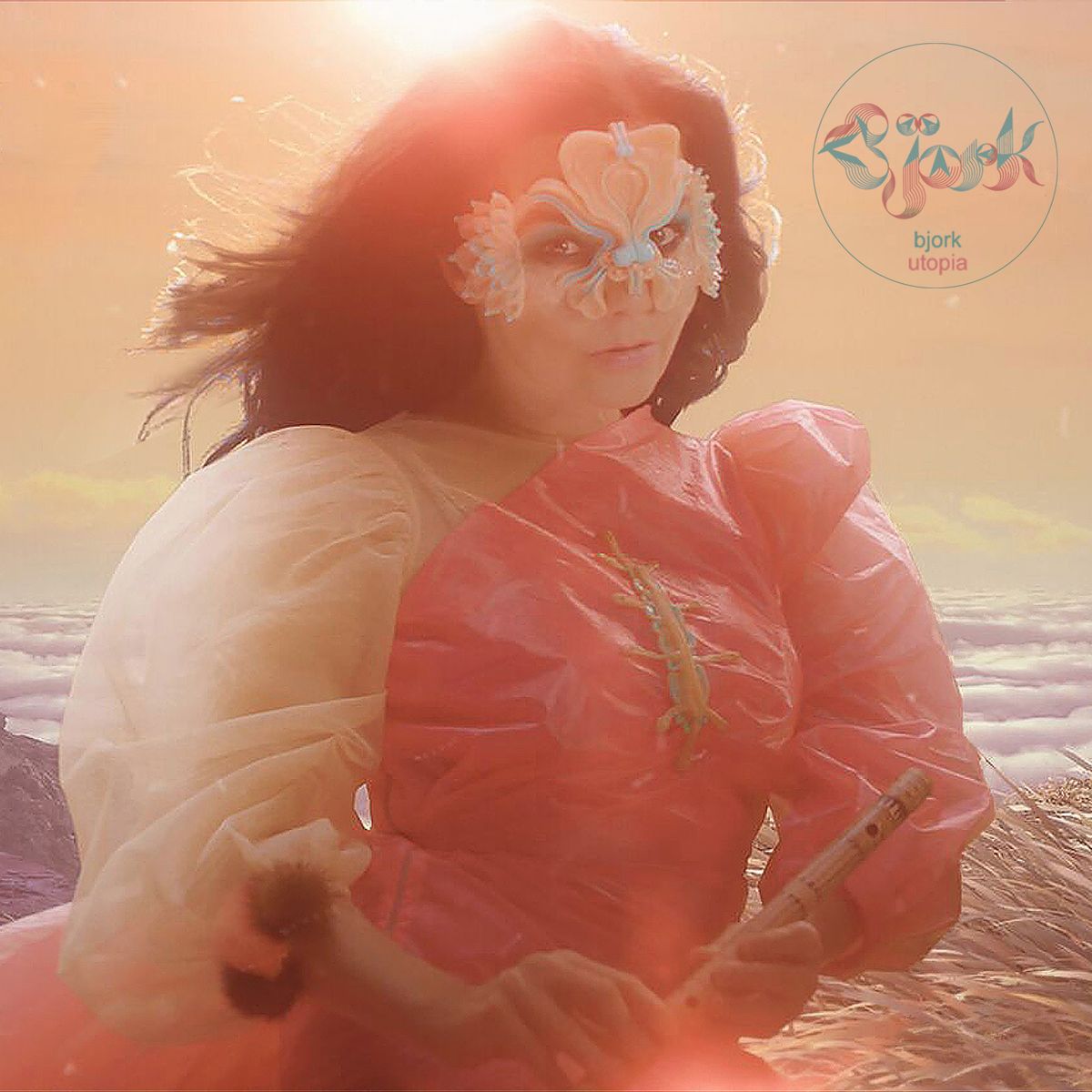
Utopia — Choosing Hope
Hope is often misunderstood. People imagine it as happiness. It isn't. Hope only becomes necessary after despair. That's why Utopia moves me so deeply.
This isn't an album pretending suffering never happened. It's an album asking whether beauty remains possible after it. Birdsong fills the air. Flutes bloom like flowers. Everything reaches upward. Toward light. Toward tomorrow. Toward forgiveness.
It's one of the most optimistic records I've ever heard. Not because life suddenly became easy. Because she chose hope anyway. That is infinitely more courageous.
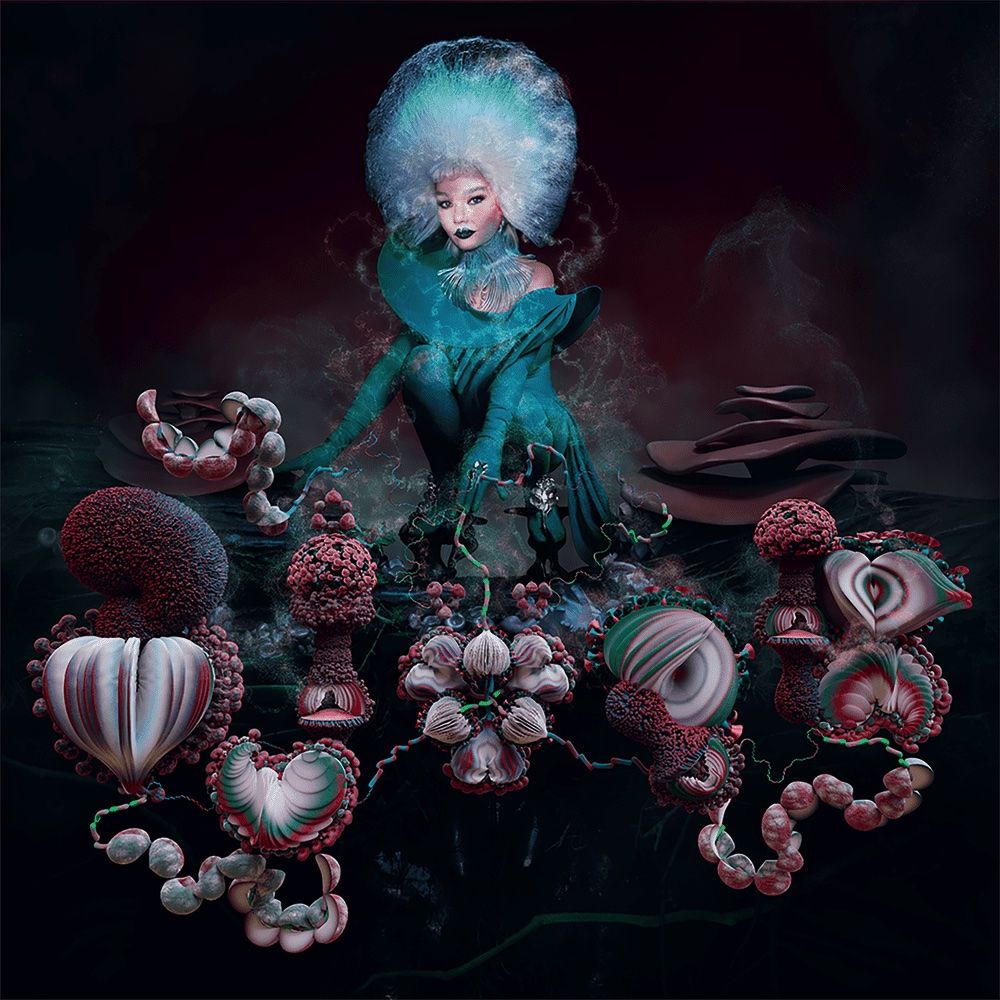
Fossora — Returning Home
And finally...
Fossora.
The album sitting on my shelf now. The one I finally brought home today. I've spent a lot of time thinking about why this record affects me so deeply. I think it's because it completes a circle. After looking toward the stars... Toward atoms... Toward heartbreak... Toward impossible futures...
Björk finally looks downward. Into the earth. Into ancestry. Into roots. Into mushrooms spreading silently beneath forests.
It's such a beautiful metaphor. We spend so much of our lives trying to grow upward. Building careers. Dreams. Identities. But trees survive because of everything happening beneath the surface. Invisible. Connected. Patient.
That's Fossora.
An album about everything hidden. Family. Grief. Inheritance. Memory. The underground networks that continue nourishing us long after people we love have disappeared.
Many listeners found it difficult. I understand why. It's dense. Unpredictable. Sometimes almost overwhelming. But so is the earth itself. You don't understand a forest after one walk. You don't understand a lifetime after one year. Some things reveal themselves slowly.
Fossora is one of them.
Perhaps that's why owning it today meant so much to me. Because it isn't simply another Björk album. It's the latest chapter in a conversation I've been having with her music for years. A conversation that, somehow, continues teaching me new ways of listening. New ways of feeling. New ways of being alive.
Looking back now, I don't think Björk's discography tells the story of one woman.
I think it tells the story of being human. Curiosity. Discovery. Identity. Love. Intimacy. The body. Movement. Wonder. Loss. Hope. Roots.
Every album is a season of life. Every season eventually becomes another. And perhaps that's why I can never choose a favorite.
How could I?
Choosing one Björk album over another would feel like choosing one version of myself over all the others. I need every single one. Because together, they remind me that life was never meant to stand still. Neither was she. And neither am I.
Björk Doesn't Make "Difficult" Music. She Makes Honest Music.
One of the first things people say when they hear Björk for the first time is usually some variation of the same sentence.
"I don't get it." Or... "It's too weird." Or perhaps the most common of all: "It's difficult."
I used to think that too. Not because I disliked her music. Because I didn't know how to listen to it. And I think there's an important difference between those two things. We're taught from a very young age how to consume music. Not how to experience it.
Pop music has quietly trained us to expect certain things. A verse. A chorus. Another verse. A bigger chorus. A bridge. One final emotional explosion.
We expect melodies that reveal themselves immediately. Hooks we can remember after one listen. Lyrics that explain themselves. Everything arrives quickly. Everything is designed to be understood now. There is nothing inherently wrong with that.
Some of my favorite albums ever made follow those rules beautifully. But they are still rules. And every rule inevitably becomes invisible. Until someone refuses to follow it. That someone, for me, has always been Björk.
We Confuse Familiarity with Simplicity
I've often wondered why people describe some music as "easy" and other music as "hard."
Is a Beethoven string quartet difficult? Only if you've never heard one before. Is free jazz difficult? Only until your ears learn its language. Is contemporary classical music difficult? Only because it asks us to abandon expectations we didn't even realize we had.
Difficulty is often nothing more than unfamiliarity. Think about language. When you hear Japanese for the first time, it may sound impossibly complex. Years later, after learning it, you no longer hear chaos. You hear meaning.
Music works exactly the same way.
The first time I listened to Medúlla, I didn't know where to hold on. The voices moved in unexpected directions. The rhythms seemed to disappear. The melodies refused to arrive where I expected them. It felt almost alien.
Today...
It feels completely natural. The album didn't change. I did. That realization completely transformed the way I think about music. Perhaps albums don't become easier. Perhaps listeners become more open.
Honesty Is Stranger Than Fiction
I think the reason Björk sometimes sounds unusual is very simple.
Real emotions are unusual. Grief isn't symmetrical. Neither is joy. Neither is desire. Neither is healing. Life doesn't move in perfect four-minute structures. Our minds jump backwards. Our memories interrupt the present. Our bodies remember things we've forgotten. Our hearts contradict our thoughts. Why should music pretend otherwise?
Björk doesn't compose emotions into neat shapes. She allows them to remain alive. Sometimes they breathe. Sometimes they fracture. Sometimes they erupt. Sometimes they barely whisper. That isn't complexity for the sake of complexity. That's honesty refusing simplification.
The Listener Also Has to Change
There is one lesson Björk has taught me that extends far beyond music. Not every meaningful experience exists to satisfy me immediately. Sometimes I have to grow first.
There was a version of myself that couldn't understand Homogenic. Another that wasn't ready for Vulnicura. Another that admired Fossora without truly loving it. Each of those versions disappeared. The albums remained. Waiting. Patiently.
That's an extraordinary thing for art to do. It doesn't chase you. It waits until you're ready. I've come back to Björk after heartbreak and heard entirely different songs. I've returned after losing people I loved and suddenly understood lyrics that had once seemed abstract. I've listened during moments of happiness and discovered joy where I had only heard melancholy before. Her music evolves because we evolve. Very few artists create work that generous.
Music That Asks You to Become Someone Else
Perhaps this is why Björk means so much to me.
She has never asked me to like her music. She has asked me to listen differently. To slow down. To pay attention. To accept uncertainty. To become comfortable with mystery. To understand that confusion isn't the opposite of beauty. Sometimes it's the beginning of it.
Every album she has ever made has gently expanded my imagination. Not only about music. About life. About art. About nature. About myself.
So when someone tells me, "Björk is too difficult," I don't feel the need to convince them otherwise. I simply think they're meeting her at the beginning of a conversation. Some conversations last five minutes. Others last a lifetime. Mine with Björk is still continuing. And I hope it never ends.
Because she has never made music that exists to be understood immediately. She has made music that exists to grow alongside the people willing to return to it. And to me, that isn't difficult. That's one of the purest forms of honesty art can ever achieve.
How Björk Changed My Life
I've spent a lot of time asking myself why Björk means so much to me. Whenever someone asks me who my favorite artist is, I answer without hesitation.
Björk.
The answer comes naturally, almost instinctively. But the explanation has always been much harder. Because how do you explain that another person's imagination has become part of your own? How do you explain that someone you've never met has permanently changed the way you experience the world?
I don't think I love Björk simply because she makes extraordinary music. There are many extraordinary musicians. I love Björk because, somewhere along the way, she taught me how to see. Not just how to listen. How to see. Before I discovered her, I thought music existed to accompany life. Now I think music can completely transform the way we live it.
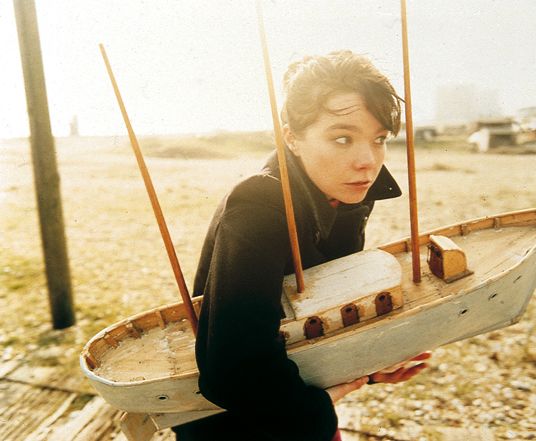
I don't remember the exact day I first heard Björk. Memory rarely works like that. We tend to remember beginnings as single moments, but they're usually much quieter. A song. Then another. An album you don't completely understand. One you revisit months later.
Then suddenly, one day, you realize she has become indispensable. That's what happened to me. She didn't arrive like lightning. She arrived like rain. Slowly. Patiently. Without asking permission. Until eventually I couldn't imagine my life without her music somewhere inside it.
The first thing Björk changed was the way I listened.
She taught me that music isn't something you consume. It's something you inhabit. For years I listened to songs searching for melodies. For choruses. For lyrics I could remember.
Then Björk appeared and quietly suggested something completely different. Listen to the silence. Listen to the space between instruments. Listen to the texture of a breath. Listen to the sound before the note arrives. Listen to what isn't being said.
I had never considered that possibility before. She made me realize that music isn't only made from sound. It's also made from absence. And once you begin hearing absence, you can never stop hearing it.
Then she changed the way I thought about art.
Growing up, I unconsciously believed that good art needed to justify itself. It needed to explain. To be understood immediately. To make sense. Björk dismantled that idea completely. She taught me that art doesn't owe me simplicity.
It owes me honesty. There are paintings that reveal themselves after years. Books that become completely different after heartbreak. Films that only make sense once you've lived enough.
Why should music be any different? She taught me patience. She taught me that confusion isn't failure. Sometimes it's simply the beginning of understanding. And that lesson has stayed with me far beyond music.
Now, whenever I encounter something I don't immediately understand—a novel, a film, a piece of classical music, a painting—I no longer ask, "Do I like this?" I ask, "Am I ready for this yet?" That single change has opened so many doors in my life.
Perhaps the greatest gift Björk has given me is curiosity.
She reminds me that the world is infinitely larger than I imagine. After listening to Biophilia, I found myself reading about astronomy, geology and biology simply because I wanted to understand the ideas that inspired her. After Fossora, I spent hours learning about fungi, underground networks, decomposition and the strange intelligence hidden beneath forests. After Vespertine, I began noticing tiny sounds I had ignored my entire life. The snow beneath shoes. A page turning. Someone breathing beside you. The hum of a room at night.
She taught me that paying attention is its own form of love. That the world has always been beautiful. I simply wasn't looking carefully enough.
She also changed the way I understand loneliness. There have been moments in my life where everything felt uncertain. Moments of grief. Moments of anxiety. Moments when I felt disconnected from other people.
Björk never made those feelings disappear. She did something much more valuable. She made them feel human. Listening to Vulnicura, I realized that pain doesn't need to be hidden to become beautiful. Listening to Utopia, I realized hope isn't the absence of suffering.
It's the decision to keep imagining tomorrow. Listening to Fossora, I understood that grief doesn't end. It transforms. Those aren't just musical experiences. They're ways of understanding life itself.
Sometimes I wonder whether my love for Björk is actually a love for what she represents.
Absolute artistic freedom. The courage to remain curious. The refusal to repeat herself. The belief that growth matters more than comfort. She has never tried to become the version of herself that people expected. Every album risks misunderstanding. Every reinvention risks criticism. Every new idea risks failure.
And yet she continues. Not because she's fearless. But because she believes honesty matters more than approval. I think about that often. Especially when I feel afraid of trying something new. She reminds me that repeating yourself is sometimes the safest choice. But almost never the most meaningful one.
People often ask whether music can change someone's life. I don't think every artist can. But every once in a while, someone comes along whose work becomes much more than entertainment. It becomes a compass. A way of navigating the world. A reminder that imagination is one of the most profoundly human things we possess.
For me, that artist has always been Björk. I honestly don't know who I would be if I had never discovered her. Maybe I would still love music. Maybe I would still collect records. Maybe I would still spend hours listening to albums. But I don't think I would listen with the same ears.
I don't think I would look at the world with the same curiosity. And I don't think I would believe, as deeply as I do now, that art has the power to make us kinder, more attentive, more patient, and more alive. Some people leave their mark on history. Björk left hers on me. And I think that's the most sincere way I can explain what she means to me. She didn't just become my favorite artist. She became part of the person I am still becoming.
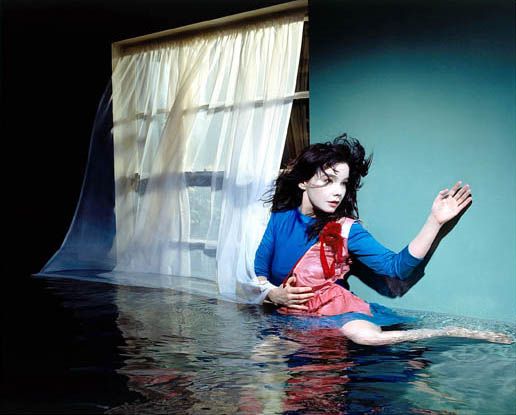
Thank You, Björk Guðmundsdóttir
I've often wondered if artists truly understand what they leave behind. Not the awards. Not the reviews. Not the sold-out concerts. Those things are part of a career. I'm talking about something much quieter. The invisible lives they touch. The strangers who will never shake their hand but whose way of seeing the world has been permanently transformed because of something they created.
I wonder if Björk knows that. I wonder if she has any idea that somewhere, in bedrooms scattered across every corner of the world, there are people whose lives sound different because of her. People who learned to love silence because of Vespertine. People who survived heartbreak because Vulnicura reminded them that grief isn't something to be ashamed of. People who looked up at the stars after listening to Biophilia and suddenly felt connected to something infinitely larger than themselves. People who found comfort in the earth through Fossora. I'm one of those people.
And perhaps this entire essay has simply been my way of saying thank you. Not because I think words could ever be enough. But because silence somehow felt even less adequate.
There are moments when I try to imagine my life without Björk.
Without Homogenic. Without Vespertine. Without those strange, impossible sounds that slowly became part of my emotional vocabulary. Without the countless evenings spent listening to her records from beginning to end. Without the curiosity she awakened in me. Without the patience she taught me. Without the courage she quietly encouraged every time she released another album that refused to repeat the last.
I genuinely can't imagine it. Not because my life would have been empty. But because it would have been smaller. Less curious. Less attentive. Less willing to embrace uncertainty. Björk didn't simply give me music. She expanded my imagination. And once your imagination expands, it never completely returns to what it was before.
One of the most beautiful things about loving an artist like Björk is realizing that there is no final destination. I don't think I'll ever completely understand her music. And honestly...
I hope I never do.
Because every year I become a slightly different person. Every year her albums become slightly different too. A song that meant one thing when I was younger suddenly reveals another meaning years later. Lyrics I barely noticed become devastating. Albums I once found intimidating become comforting. Others become stranger.
It's almost as though her discography grows older alongside me. Very few artists create work that continues evolving long after it has been released. Björk somehow does.
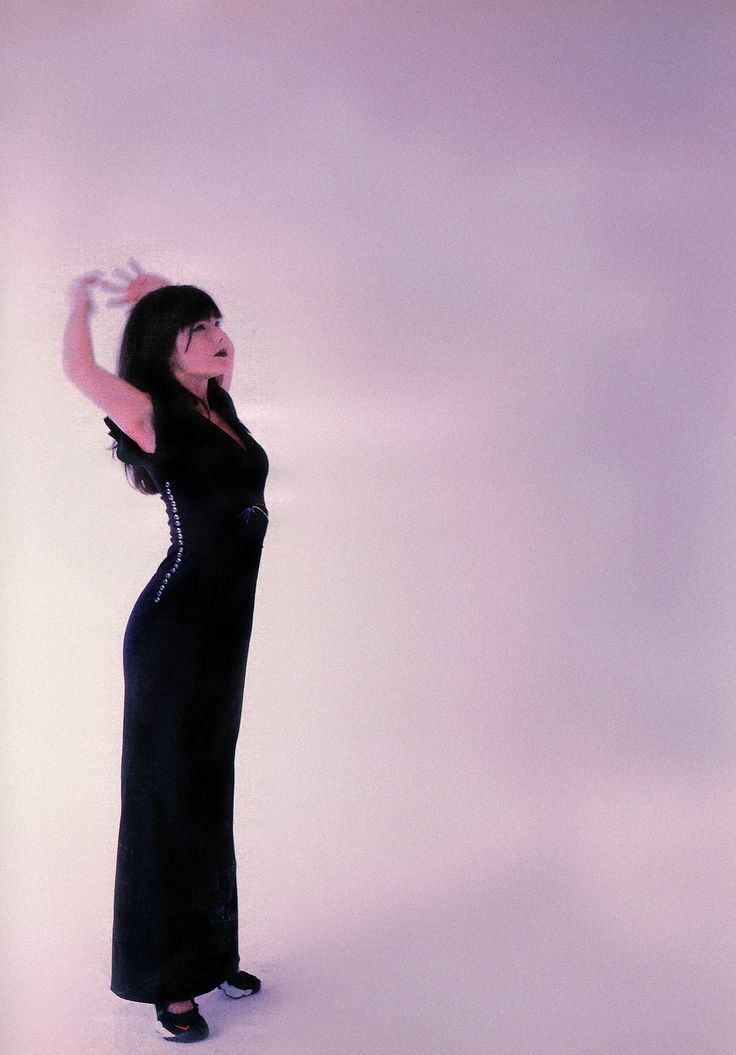
Sometimes I think we misunderstand what it means to have a favorite artist. People often imagine it's about ranking. About saying one musician is "better" than another. That's never been what it means to me. Calling Björk my favorite artist isn't saying nobody else matters. It's saying that no one else has changed me in quite the same way.
There are artists I admire. Artists I deeply respect. Artists whose albums I couldn't live without. But Björk occupies a different place entirely. She feels less like a musician and more like a companion. Someone whose work has quietly walked beside me through different stages of my life. Never demanding anything. Simply existing. Waiting patiently for me to return whenever I needed her.
When I bought Fossora for twenty-five euros, I remember smiling all the way home. At first, I thought I was smiling because I'd found an incredible bargain.
Now I realize that wasn't the reason. I was smiling because another piece of Björk's universe had found its way into my own. It wasn't just another record to place on my shelf. It became another reminder of why I fell in love with music in the first place. Not because music entertains me. Because it transforms me. And no artist has transformed me more profoundly than Björk.
If someone asked me what Björk's greatest achievement is, I don't think I would mention Homogenic. Or Vespertine. Or the awards. Or the innovation. Or the influence.
I would simply say this:
She reminds people that wonder is still possible. In a world that constantly encourages us to become faster, louder and more certain, Björk continues choosing curiosity. She reminds us to kneel beside moss.
To listen to birds. To pay attention to the wind. To cry without embarrassment. To remain fascinated by science. To see technology as something deeply human. To embrace mystery instead of trying to conquer it. To understand that growing older doesn't have to mean growing less amazed.
I think that's one of the greatest gifts an artist can offer. Not answers. Wonder.
So...
Thank you, Björk.
Thank you for refusing to become predictable.
Thank you for trusting your audience enough to challenge them.
Thank you for making albums that reveal themselves over years instead of minutes.
Thank you for proving that vulnerability can be stronger than certainty.
Thank you for reminding me that beauty often hides inside the unfamiliar.
Thank you for making me slow down.
Thank you for teaching me that listening is another form of love.
Thank you for showing me that art can still surprise us.
And above all...
Thank you for making the world feel infinitely larger than it did before I heard your music.
If you've read this far, then first of all...
Thank you. I'd genuinely love to hear your thoughts.
What's your favorite Björk album? Was there a particular song that changed the way you saw her? Or maybe you've never listened to her before. If that's the case, where would you begin?
I'd love to know.
After all, every journey into Björk's universe starts with a single song. Mine did too. And somehow, I'm still listening.
Comments
Displaying 0 of 0 comments ( View all | Add Comment )